Panduan Pemilihan Wheel Loader: Memilih Model dan Kapasitas yang Tepat untuk Proyek Industri Anda
Jan 05, 2026
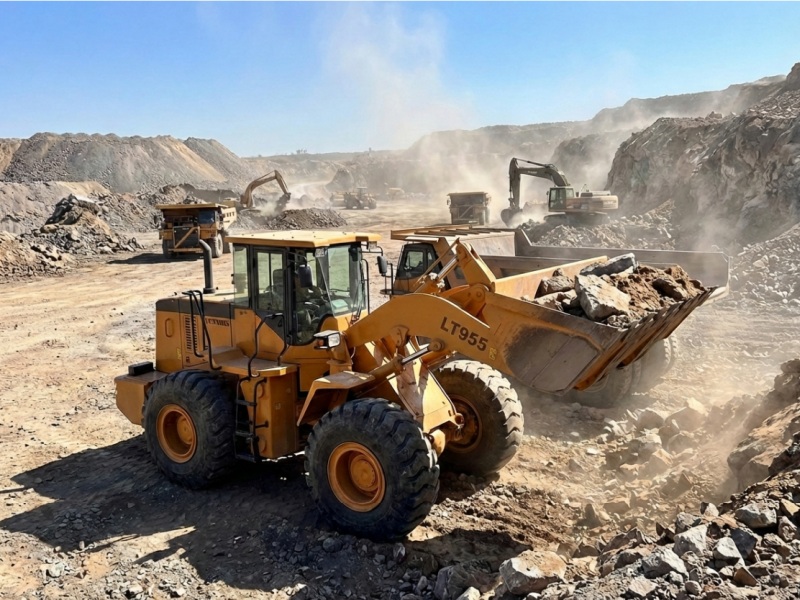
Pendahuluan: Mengapa Memilih Wheel Loader yang Tepat Itu PentingDalam industri mesin berat, loader roda Peralatan yang tepat merupakan landasan penting dalam penanganan material. Memilih peralatan yang tepat dapat meningkatkan efisiensi operasional hingga lebih dari 30%. Sebaliknya, pemilihan yang tidak tepat seringkali menyebabkan peralatan menganggur, biaya pengadaan yang tidak perlu, dan penundaan proyek.Panduan ini menawarkan analisis komprehensif tentang model wheel loader, tonase, dan berbagai skenario aplikasi. Baik Anda seorang manajer lokasi konstruksi, operator pertambangan, atau petugas pengadaan alat berat, kerangka kerja ini akan membantu Anda memaksimalkan Pengembalian Investasi (ROI) dan hasil operasional Anda. Pengetahuan Dasar: Memahami Spesifikasi Wheel Loader2.1 Definisi dan Fungsi IntiWheel loader adalah mesin penggerak tanah serbaguna yang dipasang di atas ban, dirancang untuk menyendok, membawa, dan membuang material menggunakan bucket yang dipasang di bagian depan.Selain fungsi pemuatan dasar, fungsi industri intinya meliputi:Penanganan Material Curah: Memindahkan pasir, kerikil, tanah, dan batubara secara efisien.Transportasi Jarak Pendek: Bertindak sebagai penghubung penting antara lokasi proyek dan tempat penyimpanan stok.Penimbunan & Pengelompokan: Penting untuk manajemen logistik dan pergudangan.Keserbagunaan Multiguna: Melalui sambungan quick-coupler, alat ini dapat melakukan tugas-tugas seperti pembuldozeran, perataan tanah, dan penghancuran hidrolik.2.2 Klasifikasi: Memetakan Model ke TonaseMemahami sistem klasifikasi adalah dasar dari pengadaan peralatan profesional.Dengan Desain StrukturalKategori MesinRentang TonaseFitur StrukturalKeunggulan UtamaAplikasi UmumPemuat Standar3 - 8 TonRangka artikulasi tradisionalSeimbang & serbagunaKonstruksi umum & pekerjaan tanahLoader Kompak1 - 3 TonDioptimalkan untuk ruang terbatasRadius putar kecil; sangat mudah dipindahkan.Pekerjaan utilitas perkotaan & dalam ruanganLoader Tugas Berat>10 TonRangka struktural yang diperkuatMuatan tinggi; daya tahan ekstremPertambangan dan penggalian skala besar Oleh Sumber Daya ListrikJenis DayaCakupan TonaseKeunggulan UtamaAplikasi UmumBertenaga DieselJangkauan PenuhTorsi tinggi; pengisian bahan bakar mudahLokasi terpencil & tugas beratKendaraan Listrik (EV)1 - 5 TonEmisi nol; kebisingan rendahGudang dalam ruangan & proyek ramah lingkunganHibrida>5 TonEfisiensi bahan bakar yang dioptimalkanSiklus pembebanan frekuensi tinggi LT958Loader Roda 5 TonLT910Loader Roda 1 TonLT930Loader Roda 3 Ton 3. Dimensi Pemilihan Inti: Mencocokkan Peralatan dengan Skenario3.1 Persyaratan Khusus IndustriMemilih loader depan (front-end loader) membutuhkan pemahaman mendalam tentang lingkungan kerja. Berikut adalah rincian tonase yang direkomendasikan untuk berbagai sektor:Industri / SkenarioTonase yang DirekomendasikanFaktor-faktor Seleksi UtamaKonstruksi Perumahan3 TonBodi kompak, radius putar kecilProyek Infrastruktur5 TonKecepatan siklus tinggi, kapasitas bucket maksimal.Pertambangan (Tambang terbuka)5 – 8+ TonRangka kokoh, daya dobrak tinggi.Penggalian≥6 TonBucket khusus untuk medan berbatu, ban yang diperkuat.Pertanian & Peternakan2 – 3 TonKetahanan terhadap korosi, fleksibilitas pemasangan.Logistik & Pergudangan2 – 4 TonKemudahan manuver, pilihan listrik untuk di dalam ruanganKonstruksi Jalan5 – 6 TonEmber besar, pekerjaan intensitas tinggi terus menerus. 3.2 Pertimbangan Pengadaan StrategisSelain tonase, pembeli profesional harus mengevaluasi lima dimensi berikut untuk memastikan nilai jangka panjang:Keterbatasan Lokasi & Mobilitas:Loader standar 5 ton membutuhkan radius putar sekitar 6 meter. Untuk ruang perkotaan yang sempit, kemudi semua roda atau model artikulasi kompak lebih disukai daripada tenaga mentah.Kompleksitas Tugas & Lampiran: Jika pekerjaan tersebut melibatkan berbagai tugas (misalnya, penanganan palet, pembersihan salju), prioritaskan loader dengan quick-coupler hidrolik. Ini mengubah satu mesin menjadi aset multi-fungsi.Investasi dan Penganggaran:Meskipun harga wheel loader merupakan faktor utama dalam keputusan pengadaan Anda, fokuslah pada ROI jangka panjang. Mesin berkualitas tinggi dari pemasok wheel loader papan atas mungkin memiliki biaya awal yang lebih tinggi, tetapi akan menghemat ribuan dolar dalam biaya bahan bakar dan perbaikan selama masa pakainya.Total Biaya Kepemilikan (TCO): Harga pembelian hanyalah puncak gunung es. Fokuslah pada efisiensi bahan bakar, interval perawatan, dan ketersediaan suku cadang. Merek yang andal menawarkan nilai jual kembali yang lebih baik, yang merupakan faktor penting dalam manajemen armada.Sinergi Armada: Loader harus sesuai dengan kapasitas truk pengangkut Anda. Ketidakseimbangan (misalnya, bucket loader yang terlalu kecil untuk bak truk) akan menciptakan hambatan dan membuang bahan bakar. 4. Kesalahan Umum dalam Pengadaan Wheel Loader1: Spesifikasi Berlebihan (Mitos "Lebih Besar Lebih Baik"): Mengoperasikan mesin berat hanya pada kapasitas 50% akan menyebabkan konsumsi bahan bakar yang tinggi dan keausan yang tidak perlu. Usahakan untuk mencapai "titik optimal" pemanfaatan kapasitas 70%–90%.2: Mengabaikan Faktor Lingkungan: Lingkungan dengan kadar garam tinggi, kelembapan tinggi, atau debu tinggi memerlukan lapisan dan sistem filtrasi khusus. Mengabaikan pilihan "siap pakai untuk lingkungan tersebut" akan memperpendek umur mesin.3: Meremehkan Dukungan Purna Jual: Salah satu kesalahan umum adalah memprioritaskan harga wheel loader terendah daripada daya tahan mesin. Seringkali, pilihan termurah berasal dari pemasok wheel loader yang tidak terverifikasi dan tidak memiliki jaringan layanan lokal, yang menyebabkan 'biaya tersembunyi' yang tinggi ketika mesin rusak di lokasi kerja. 5. Kesimpulan: Logika Seleksi IlmiahPengadaan wheel loader yang sukses merupakan keseimbangan antara kemampuan teknis dan efisiensi ekonomi.Untuk mengambil keputusan terbaik, gabungkan ketiga pilar ini:Pemilihan Model: Menentukan jalur teknis dan fleksibilitas tugas.Penentuan Tonase: Menentukan batasan produktivitas dan efisiensi.Analisis Skenario: Mengidentifikasi kendala spesifik lokasi dan tuntutan unik.Untuk proyek-proyek kompleks, kami merekomendasikan untuk berkonsultasi dengan spesialis alat berat untuk melakukan simulasi khusus lokasi. Memilih peralatan yang tepat bukan hanya sekadar pembelian; ini adalah langkah pertama menuju profitabilitas proyek, dan memilih pemasok wheel loader yang bereputasi sama pentingnya dengan spesifikasi mesin itu sendiri. Sebagai pemasok wheel loader terkemuka dengan pengalaman puluhan tahun di industri ini, kami menawarkan lebih dari sekadar peralatan berkualitas tinggi—kami memberikan efisiensi.Tidak yakin tonase mana yang sesuai dengan lokasi proyek Anda? Kami siap memberikan analisis beban lokasi secara gratis dan daftar harga wheel loader terperinci yang disesuaikan dengan kebutuhan proyek Anda.