Saat membeli mesin konstruksi untuk lingkungan yang keras, pembeli tidak boleh hanya membandingkan tenaga mesin, kapasitas bucket, berat operasi, atau harga pembelian.
Mesin yang berkinerja baik dalam kondisi lokasi kerja normal mungkin menghadapi masalah panas berlebih, keausan komponen yang tidak normal, peningkatan kebutuhan filtrasi, kegagalan sistem hidrolik, korosi, dan waktu henti yang lebih lama ketika terpapar suhu tinggi, debu tebal, dingin ekstrem, medan berlumpur, ketinggian tinggi, atau operasi tugas berat terus menerus.
Oleh karena itu, bagi kontraktor, perusahaan pertambangan, dealer peralatan, perusahaan penyewaan, manajer armada, dan profesional pengadaan, pertanyaan sebenarnya bukanlah:
“Apakah mesin ini memiliki daya yang cukup?”
Seharusnya:
“Apakah mesin ini sudah dikonfigurasi dengan benar untuk kondisi yang sebenarnya akan dihadapinya?”
Sebelum membeli penggali, loader roda, buldoser, motor grader, atau jenis alat berat lainnya, pembeli harus mengevaluasi mesin, sistem pendingin, sistem filtrasi, sistem hidrolik, sasis, sistem kelistrikan, kabin, perlindungan struktural, dan persyaratan perawatan sebagai suatu sistem terpadu.
Mengapa Kondisi Kerja yang Berat Membutuhkan Konfigurasi Peralatan yang Berbeda?
Lingkungan operasi yang keras seringkali memberikan tekanan tambahan pada banyak sistem mesin secara bersamaan.
Suhu lingkungan yang tinggi mengurangi margin pendinginan yang tersedia untuk mesin dan sistem hidrolik. Debu halus dapat menyumbat filter udara dan mencemari komponen. Suhu rendah meningkatkan viskositas fluida dan membuat proses penyalaan lebih sulit. Ketinggian yang tinggi mengurangi kepadatan udara. Lumpur dan air dapat menembus konektor, segel, dan sambungan yang lemah. Semprotan garam di lingkungan pesisir meningkatkan risiko korosi, sementara pengoperasian tugas berat yang terus menerus mempercepat keausan pada pin, bushing, ban, trek, komponen hidrolik, dan bagian struktural.
Yang lebih penting lagi, masalah-masalah ini jarang terjadi secara terisolasi.
Sebagai contoh, sebuah wheel loader yang beroperasi di tambang yang panas dan berdebu tidak hanya terpapar beban termal yang tinggi tetapi juga penumpukan debu yang cepat pada radiator. Bahkan jika sistem pendingin memiliki kapasitas teoritis yang memadai, debu dan kotoran yang menumpuk pada radiator dan pendingin dapat secara signifikan mengurangi kinerja pendinginan aktual.
Oleh karena itu, pemilihan peralatan untuk lingkungan yang keras harus dimulai dengan kondisi lokasi kerja, bukan dengan brosur produk.
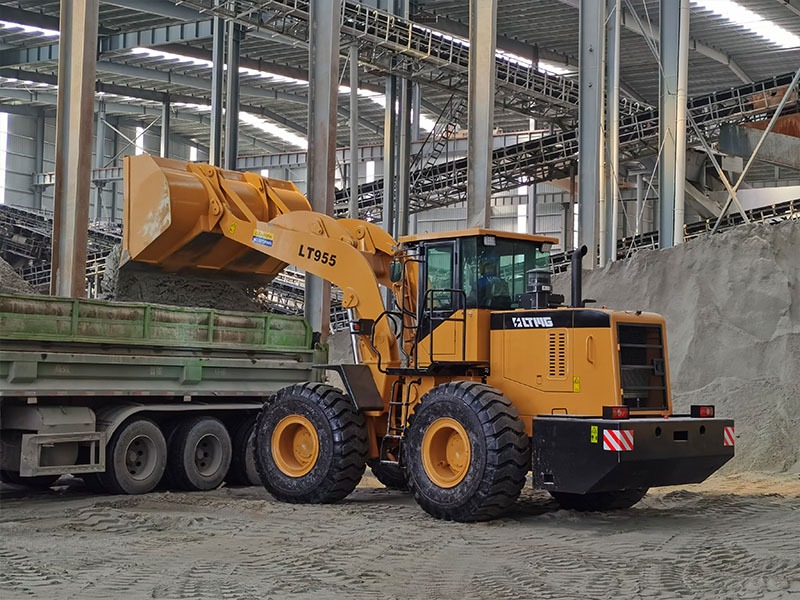
1. Panas Ekstrem: Evaluasi Seluruh Sistem Pendingin, Bukan Hanya Mesinnya
Suhu tinggi dapat memengaruhi suhu cairan pendingin mesin, suhu oli hidrolik, suhu transmisi, kinerja pelumasan, segel, selang, baterai, dan kenyamanan operator.
Selama pengoperasian beban tinggi, mesin dan sistem hidrolik sudah menghasilkan sejumlah besar panas. Seiring kenaikan suhu lingkungan, perbedaan suhu antara sistem mesin dan udara sekitarnya menjadi lebih kecil, sehingga pembuangan panas menjadi lebih sulit.
Masalah apa saja yang dapat terjadi?
Potensi masalah meliputi:
·Mesin mengalami panas berlebih atau penurunan daya otomatis;
·Suhu oli hidrolik yang berlebihan;
·Percepatan degradasi cairan dan segel;
·Produktivitas mesin menurun;
·Pembersihan radiator lebih sering;
·Penuaan dini pada selang dan komponen lainnya;
·Peningkatan waktu henti selama periode terpanas dalam sehari.
Untuk aplikasi yang berdebu, aksesibilitas radiator dan kemudahan pembersihan sangat penting. Penumpukan debu dan kotoran dapat membatasi aliran udara dan pada akhirnya mengurangi efisiensi pendinginan.
Sebelum melakukan pemesanan, pembeli harus bertanya kepada pemasok:
“Suhu lingkungan dan beban operasi apa yang dapat ditangani oleh konfigurasi mesin ini? Apakah aplikasi kami memerlukan paket pendinginan suhu lingkungan tinggi?”
Sekadar diberi tahu bahwa “mesin ini dapat beroperasi di lingkungan yang panas” saja tidak cukup. Pemasok harus memberikan informasi berdasarkan model dan konfigurasi spesifik yang ditawarkan.
2. Debu dan Pasir: Filtrasi Berpengaruh Langsung pada Masa Pakai Mesin
Lokasi penggalian, pertambangan, pembongkaran bangunan, proyek konstruksi di gurun, operasi penanganan semen, dan proyek jalan yang belum diaspal seringkali membuat peralatan terpapar debu dalam jumlah besar.
Partikel halus dapat memengaruhi sistem pemasukan udara mesin, sistem hidrolik, sistem pendingin, sistem ventilasi kabin, konektor listrik, titik pelumasan, dan sambungan yang bergerak.
Masalah apa saja yang dapat terjadi?
Risiko umum meliputi:
·Peningkatan pembatasan asupan udara mesin;
·Filter udara lebih cepat tersumbat;
·Keausan mesin yang tidak normal jika kontaminan masuk ke sistem pemasukan udara;
·Penyumbatan radiator dan panas berlebih;
·Kontaminasi pada sisi bersih sistem pemasukan udara selama penggantian filter;
·Peningkatan frekuensi perawatan;
·Visibilitas dan kenyamanan operator berkurang.
Salah satu masalah yang sering diabaikan adalah bagaimana filter tersebut diservis.
Sekalipun filter berkinerja tinggi telah dipasang, sistem filtrasi mungkin gagal melindungi mesin secara efektif jika sejumlah besar debu masuk ke sisi bersih selama penggantian filter.
Pembeli harus bertanya kepada pemasok:
“Jika mesin akan beroperasi terus menerus di lingkungan dengan konsentrasi debu halus yang tinggi, konfigurasi filtrasi apa yang Anda rekomendasikan, dan bagaimana filter tersebut harus diperiksa dan dipelihara di lokasi?”
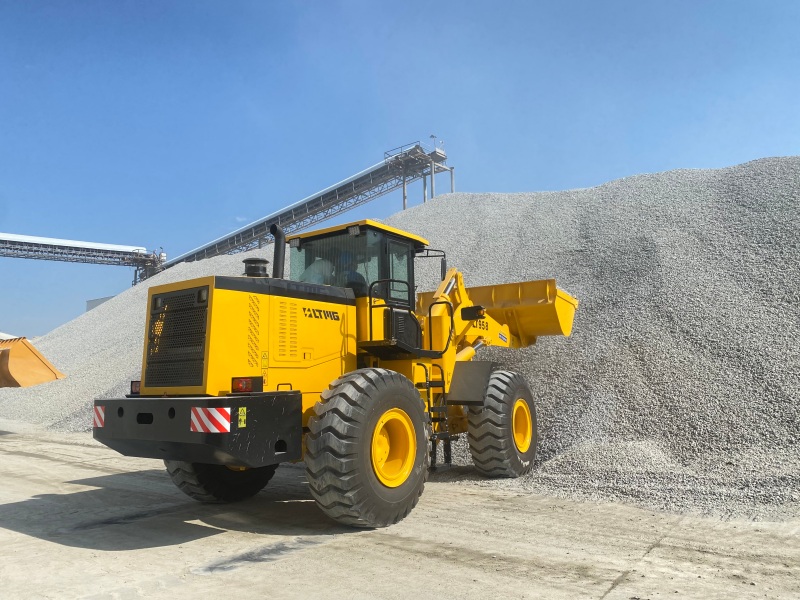
3. Cuaca Dingin Ekstrem: Periksa Sistem Starter, Cairan, Baterai, dan Kinerja Hidrolik
Tantangan di lingkungan yang sangat dingin melibatkan lebih dari sekadar apakah mesin dapat menyala.
Saat suhu turun, oli mesin dan oli hidrolik menjadi lebih kental, kinerja penyalaan baterai menurun, selang dan segel menjadi kurang fleksibel, dan lumpur atau salju dapat membeku di sekitar bagian bawah kendaraan.
Untuk peralatan beroda rantai, pembeli juga harus mempertimbangkan seberapa mudah bagian bawahnya dibersihkan. Lumpur atau salju yang menumpuk di sekitar rangka dan rol roda rantai dapat membeku dan mengganggu pengoperasian mesin.
Pertanyaan yang bermanfaat bagi pemasok adalah:
“Berdasarkan suhu minimum yang diperkirakan di lokasi proyek kami, oli mesin, oli hidrolik, baterai, pemanas awal, dan prosedur penyalaan seperti apa yang harus ditentukan?”
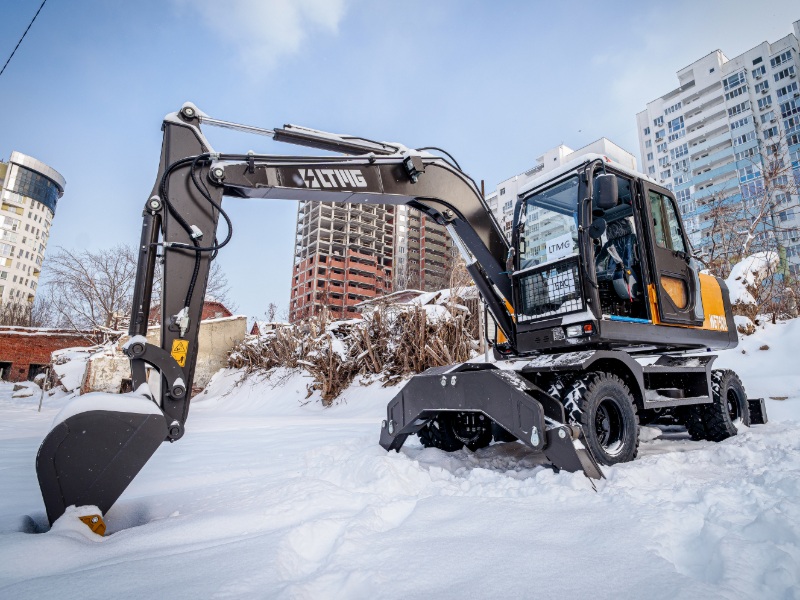
4. Ketinggian Tinggi: Konfirmasi Penurunan Daya Mesin dan Kinerja Pendinginan
Seiring bertambahnya ketinggian, kepadatan udara menurun. Hal ini dapat memengaruhi pembakaran mesin, pengoperasian turbocharger, aliran udara pendingin, dan kinerja mesin secara keseluruhan.
Mesin diesel turbocharger modern dapat mengkompensasi efek ketinggian sampai batas tertentu. Namun, ketinggian operasi maksimum dan titik di mana penurunan daya mesin dimulai bergantung pada model mesin tertentu.
Oleh karena itu, peralatan yang digunakan untuk pembangunan jalan, pertambangan, penggalian, atau proyek infrastruktur di daerah pegunungan tidak dapat diasumsikan memberikan kinerja yang sama persis di ketinggian seperti di permukaan laut.
Selama proses pembelian, pembeli harus memastikan:
·Ketinggian operasi maksimum yang ditentukan oleh pabrikan mesin;
·Ketinggian di mana penurunan daya mesin dimulai;
·Perkiraan daya mesin pada ketinggian proyek;
·Performa pendinginan di ketinggian;
·Konfigurasi turbocharger;
·Kesesuaian sistem pengolahan gas buang;
·Perkiraan waktu siklus hidrolik dan produktivitas dalam kondisi operasi aktual.
Pembeli harus memberikan informasi proyek spesifik kepada pemasok, misalnya:
“Proyek kami berlokasi di ketinggian sekitar XX meter di atas permukaan laut. Mohon sebutkan daya mesin yang tersedia pada ketinggian ini dan kinerja mesin yang diharapkan.”
Kemudian, pemasok harus mengevaluasi aplikasi berdasarkan konfigurasi mesin dan perlengkapan yang sebenarnya.
5. Lumpur, Genangan Air, dan Kondisi Basah: Fokus pada Penyegelan dan Sistem Perjalanan
Proyek drainase, daerah dengan curah hujan tinggi, lahan basah, lokasi pembangunan jalan, lokasi kerja yang kaya tanah liat, dan area pertambangan berlumpur menghadirkan serangkaian tantangan yang berbeda bagi mesin konstruksi.
Lumpur mempercepat keausan abrasif dan dapat menumpuk di sekitar trek, rol, titik artikulasi, poros, dan komponen pendingin.
Sementara itu, paparan air menuntut persyaratan yang lebih tinggi terkait penyegelan, perlindungan listrik, pelumasan, dan pengendalian kontaminasi.
Pembeli harus memeriksa:
·Penyegelan konektor listrik;
·Penataan dan perlindungan rangkaian kabel;
·Segel poros dan sistem penggerak;
·Segel penyeka silinder hidrolik dan komponen penyegelan lainnya;
·Perlindungan titik-titik artikulasi;
·Kemudahan membersihkan bagian bawah kendaraan;
·Kemudahan akses ke titik pelumasan;
·Pelindung bagian bawah dan pelat pelindung;
·Apakah pola tapak ban atau konfigurasi alur roda sesuai dengan kondisi permukaan tanah.
Untuk peralatan beroda rantai, pembeli tidak boleh begitu saja berasumsi bahwa Sepatu lari dengan lebar lintasan yang lebih besar selalu lebih baik..
Tekanan tanah, traksi, performa kemudi, beban sepatu trek, dan keausan bagian bawah kendaraan perlu dipertimbangkan secara bersamaan.
Pertanyaan yang bermanfaat bagi pemasok adalah:
“Jika mesin akan beroperasi dalam jangka waktu lama di kondisi berlumpur atau tergenang air, konfigurasi sasis, ban, penyegelan, dan pelindung apa yang Anda rekomendasikan?”
Jangan Hanya Membandingkan Harga Beli — Bandingkan Total Biaya Kepemilikan
Untuk mesin konstruksi yang beroperasi di lingkungan yang keras, mesin dengan harga beli terendah pada akhirnya mungkin menjadi pilihan yang paling mahal.
Total biaya kepemilikan setidaknya harus mencakup:
Biaya pembelian + bahan bakar + perawatan pencegahan + filter dan cairan + suku cadang aus + ban atau sasis + perbaikan + tenaga kerja + transportasi + kerugian akibat waktu henti + nilai jual kembali
Mesin dengan sistem pendingin yang lebih mudah dibersihkan, filtrasi yang lebih sesuai dengan aplikasinya, konfigurasi rangka bawah yang lebih tepat, dan aksesibilitas perawatan yang lebih baik mungkin memiliki harga pembelian awal yang sedikit lebih tinggi.
Namun, hal ini dapat mengurangi total biaya proyek dengan meminimalkan waktu henti dan tenaga kerja perawatan selama masa operasional mesin.
Untuk kontraktor dan manajer armada, biaya per jam operasi produktif Seringkali, metrik ini lebih bermanfaat daripada harga pembelian saja.
Saat membandingkan penawaran dari pemasok yang berbeda, pembeli juga harus memastikan bahwa semua mesin dikonfigurasi untuk kondisi pengoperasian yang sama.
Sebaliknya, meskipun dua mesin memiliki daya mesin, berat operasi, dan kapasitas bucket yang serupa, konfigurasi aktualnya mungkin tidak dapat dibandingkan secara langsung.
Kesimpulan
Saat membeli mesin konstruksi untuk lingkungan yang keras, pembeli tidak boleh hanya fokus pada tenaga mesin, berat operasi, kapasitas bucket, dan harga.
Pertanyaan yang lebih penting adalah apakah mesin tersebut dapat terus beroperasi dengan andal di lingkungan tempat ia akan menghabiskan ribuan jam kerja.
Panas ekstrem meningkatkan kebutuhan pendinginan. Debu membuat filtrasi dan perawatan radiator menjadi lebih penting. Suhu dingin memengaruhi kinerja start dan hidrolik. Pengoperasian di ketinggian harus dievaluasi sesuai dengan model mesin tertentu. Lumpur, air, korosi, dan pengoperasian tugas berat terus-menerus masing-masing menciptakan tuntutan yang berbeda untuk penyegelan, komponen rangka bawah, bagian struktural, dan perawatan.
Bagi pembeli peralatan, urutan pembelian yang benar sudah jelas:
Pertama-tama, tentukan lingkungan pengoperasian, kemudian tentukan konfigurasi mesin.
Jika Anda membeli ekskavator, wheel loader, bulldozer, motor grader, atau mesin konstruksi lainnya untuk pertambangan, penggalian, pembangunan jalan, proyek bangunan, atau aplikasi berat lainnya, berikan informasi lengkap kepada pemasok peralatan tentang suhu proyek, ketinggian, karakteristik material, kondisi tanah, intensitas beban kerja, dan kemampuan perawatan sebelum menyelesaikan pesanan.
Jika proyek Anda melibatkan suhu tinggi, debu tebal, dingin ekstrem, ketinggian tinggi, kondisi berlumpur, korosi, atau operasi tugas berat terus menerus, Anda dapat memberikan LTMG informasi mengenai kondisi proyek dan persyaratan peralatan spesifik Anda sehingga konfigurasi mesin yang sesuai dapat dievaluasi untuk aplikasi Anda.

Telp : +86 195 5920 7570
Surel : market@ltmg.com
ada apa : +86 195 5920 7570
Menambahkan : LTMG Group, Electronics City(Xiamen) International Innovation Center, No.23, Duiying Road, Jimei District, Xiamen, China


Dapatkan Informasi Produk & Informasi Penawaran terbaru



