blog
  • Backhoe Loader vs Excavator: How to Choose the Right Equipment for Your Project
    Backhoe Loader vs Excavator: How to Choose the Right Equipment for Your Project Jul 24, 2026
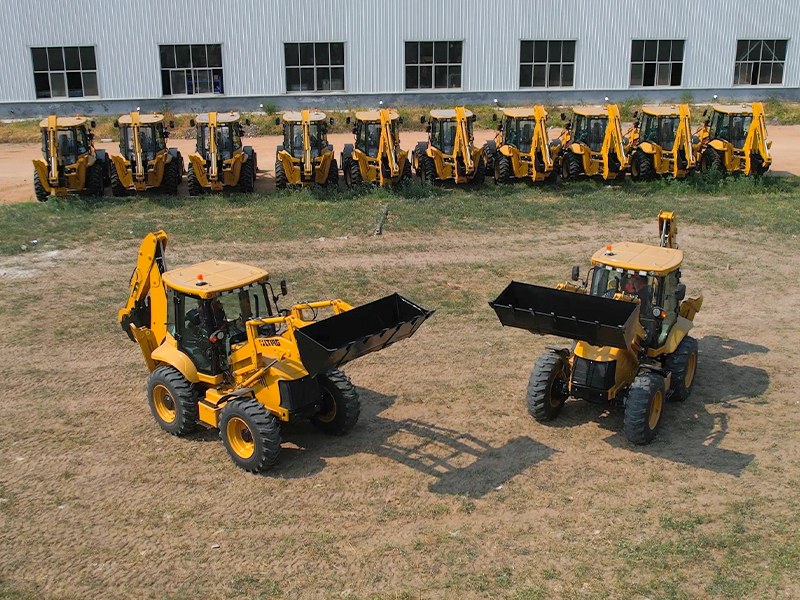
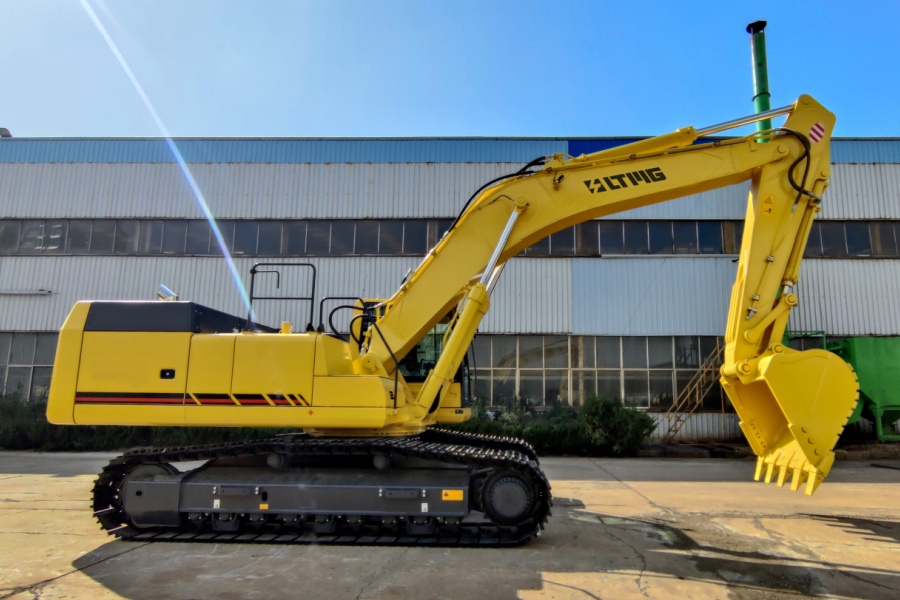
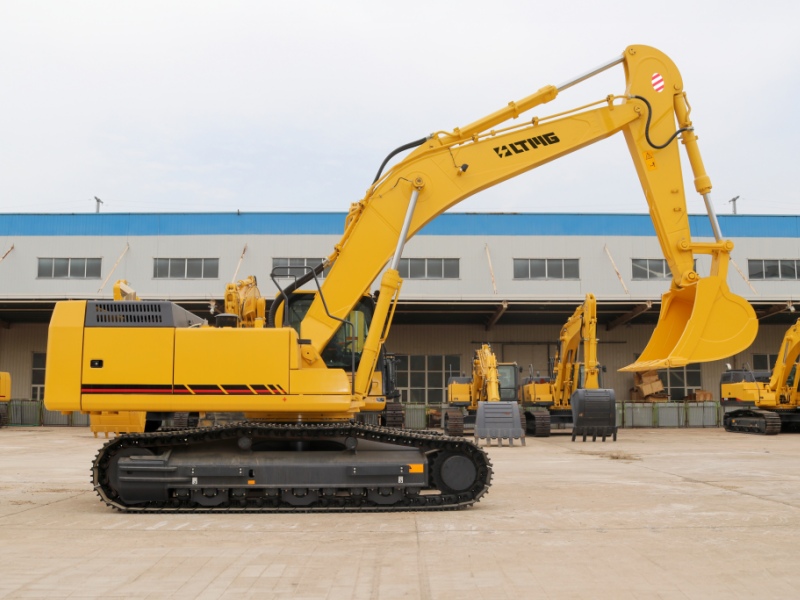
    In construction, road building, and earthmoving projects, choosing the right equipment can directly impact work efficiency, operating costs, and equipment utilization. When it comes to excavation tasks, many customers need to choose between a backhoe loader and an excavator. Although both machines can perform digging operations, they are designed for different purposes. A backhoe loader focuses on versatility, combining digging, loading, and material handling capabilities in one machine, making it suitable for projects that require multiple functions. An excavator is designed for more specialized excavation work, offering stronger digging performance, a larger working range, and higher productivity for large-scale earthmoving and heavy construction projects. So, what is the difference between a backhoe loader and an excavator, and which one is the right choice for your project? In this article, we will compare these two types of construction equipment based on different application needs and help you find the right solution with LTMG. Backhoe Loader: A Flexible Choice for Multi-Purpose Construction Projects In many construction projects, customers do not always need a large excavator to perform a single excavation task. Instead, they often look for one machine that can handle multiple daily construction operations. For example, in road maintenance, municipal construction, and agricultural projects, equipment may be required to perform tasks such as: Digging trenches; Moving soil and construction materials; Clearing job sites; Loading sand, gravel, and other materials. Purchasing both an excavator and a loader can significantly increase equipment investment, while also adding transportation, maintenance, and management costs. Therefore, for medium-scale projects with diverse tasks, a backhoe loader is often a more flexible and cost-effective solution. A backhoe loader combines a front loader bucket with a rear excavating attachment, allowing one machine to perform two major functions: digging and loading. Compared with dedicated construction equipment, its biggest advantages are versatility and adaptability on different job sites. Backhoe loaders are commonly used for: Road maintenance and foundation construction; Pipeline installation and trench excavation; Agricultural land preparation; Municipal maintenance projects; Small-scale construction work. For contractors who frequently switch between different tasks or operate across multiple job sites, a backhoe loader can reduce the need for multiple machines and improve overall work efficiency. In the following section, we will introduce the LTMG BLT388H backhoe loader and explore how it meets different application requirements across various construction scenarios. LTMG BLT388H Backhoe Loader: A Versatile Solution for Multi-Task Construction Applications For road maintenance, municipal construction, and small to medium-sized construction projects, job sites often require multiple operations, including excavation, loading, and material handling. Using separate machines for each task can increase equipment management complexity while reducing overall operational efficiency. The LTMG BLT388H backhoe loader features a front loader bucket and a rear excavating arm, combining loading and digging capabilities into one machine. Compared with single-purpose construction equipment, the BLT388H is better suited for projects that require frequent switching between different tasks. Designed with a compact structure, the BLT388H provides excellent flexibility while meeting various construction requirements. Its 1.2 m³ front loader bucket is suitable for transporting soil, gravel, and construction materials, while the 0.3 m³ rear excavator bucket is ideal for trench digging, pipeline installation, and foundation work. BLT388H Main Specifications Specification Value Operating Weight Approx. 10,050 kg Engine Power 75 kW Rated Load Capacity 2,500 kg Loader Bucket Capacity 1.2 m³ Excavator Bucket Capacity 0.3 m³ Key Advantages of BLT388H Backhoe Loader Multi-functional Performance: Combines excavation and loading capabilities in one machine, reducing the need for multiple equipment investments and improving overall cost efficiency. Flexible Operation: Suitable for projects requiring frequent task changes, allowing operators to perform digging, loading, material handling, and site cleaning operations. Strong Application Adaptability: Compared with larger excavators, the BLT388H is more suitable for scattered job sites and projects with diverse construction requirements. High Equipment Utilization: One machine can handle multiple daily construction tasks, helping contractors improve equipment utilization and operational efficiency. BLT388H Applications The LTMG BLT388H backhoe loader is particularly suitable for: Road repair and maintenance projects; Pipeline installation and trench excavation; Agricultural land preparation; Municipal infrastructure maintenance; Small and medium-sized construction projects. For customers looking for a single machine that can handle multiple construction tasks while improving productivity and controlling equipment costs, the LTMG BLT388H backhoe loader provides an efficient and economical solution. Excavator: The Ideal Choice for Large-Scale Earthmoving and Heavy-Duty Construction For large-scale earthmoving projects, foundation construction, and applications requiring long hours of continuous operation, a crawler excavator is often a more efficient equipment choice. Compared with a backhoe loader, an excavator is specifically designed for heavy-duty digging operations. It offers stronger excavation performance, a larger working range, and higher productivity, making it suitable for large construction projects that require powerful performance and continuous operation capability. Excavators are widely used in: Large-scale earthmoving projects; Road construction and infrastructure development; Mining and quarry operations; Large construction projects; Soil and material handling applications. In these applications, equipment is typically required to handle large volumes of soil, rock, and other heavy materials over extended working periods. Choosing the right excavator size and configuration can not only improve productivity but also reduce the operating cost per unit of work in large-scale projects. LTMG provides crawler excavator solutions in different tonnage ranges, allowing customers to select the right equipment based on project scale, working environment, and specific application requirements. In the following section, we will introduce an LTMG crawler excavator designed for heavy-duty construction applications and explore how it delivers reliable performance in demanding job sites. LTMG LTE330 33 Ton Crawler Excavator: A High-Efficiency Solution for Large-Scale Construction Projects The LTMG LTE330 33 Ton Crawler Excavator is a heavy-duty excavator designed for large-scale earthmoving projects and demanding construction environments. It is ideal for applications that require continuous operation, high productivity, and reliable performance. Compared with standard excavation equipment, the LTE330 features a heavier operating weight, a more powerful engine system, and enhanced digging performance. It is designed to meet the needs of large construction sites, including earth excavation, material handling, and long-duration heavy-duty operations. The LTE330 is powered by a Cummins 6LTAA8.9 engine with a rated power of 242 kW. With an operating weight of approximately 32,500 kg, a 1.6 m³ bucket capacity, and a maximum digging force of 227 kN, this 33 ton excavator delivers strong performance for challenging job sites. Its powerful powertrain and reliable hydraulic system ensure stable operation even under high-load working conditions. LTE330 Main Specifications Specification Value Operating Weight 32,500 kg Engine Power 242 kW Bucket Capacity 1.6 m³ Maximum Digging Force 227 kN Engine Brand Cummins Key Advantages of LTE330 Crawler Excavator Powerful Performance: The high-power engine combined with a reliable hydraulic system provides the power required for large-scale earthmoving projects. Efficient Excavation Capability: Higher digging force and larger bucket capacity improve material handling efficiency and increase productivity on demanding job sites. Durable and Stable Structure: Reinforced boom, arm, and undercarriage structures make the LTE330 suitable for long-term heavy-duty operations. Reliable Hydraulic System: The Kawasaki hydraulic pump ensures stable power transmission and improves overall equipment reliability. LTE330 Applications The LTMG LTE330 crawler excavator is widely used for: Large-scale earthmoving projects; Mining support operations; Infrastructure construction; Large road construction projects; Heavy-duty building construction. For customers who require continuous large-scale excavation operations and want to improve productivity while reducing operating costs, the LTMG LTE330 33 ton crawler excavator provides a reliable and efficient heavy-duty construction solution. Backhoe Loader vs Excavator: How to Choose the Right Equipment? Comparison Backhoe Loader Excavator Core Functions Combines digging, loading, and material handling capabilities in one machine Designed for heavy-duty excavation and large-scale earthmoving operations Main Advantages Multi-purpose performance, suitable for projects requiring frequent task changes Powerful digging capability and higher productivity Ideal Applications Road maintenance, municipal projects, agricultural work, and multi-task construction Large-scale earthmoving, infrastructure construction, and mining support operations Working Characteristics Flexible and versatile, capable of handling various daily construction tasks Built for long hours of continuous operation and heavy-duty workloads Key Selection Factors Suitable for projects looking to reduce the number of machines and improve equipment utilization Suitable for projects requiring higher excavation capacity and greater construction efficiency If your project requires one machine to handle digging, loading, and multiple construction tasks, the LTMG BLT388H backhoe loader is a more flexible choice. If your project involves large-scale excavation, heavy-duty construction, and long-duration continuous operations, the LTMG LTE330 33 ton crawler excavator provides higher productivity and stronger digging performance. Choose the Right LTMG Construction Equipment for Your Project Choosing the right construction equipment can help improve work efficiency and reduce long-term operating costs. LTMG provides reliable construction machinery solutions, including backhoe loaders, crawler excavators, wheel loaders, skid steer loaders, and other equipment for different construction applications. Whether you need a versatile machine for daily operations or a powerful excavator for large-scale projects, LTMG can provide the right equipment solution for your needs. Contact LTMG today for professional equipment recommendations and a quotation.
  • Self Loading Concrete Mixer Buying Guide: How to Select the Best Model for Your Construction Project
    Self Loading Concrete Mixer Buying Guide: How to Select the Best Model for Your Construction Project Jul 24, 2026
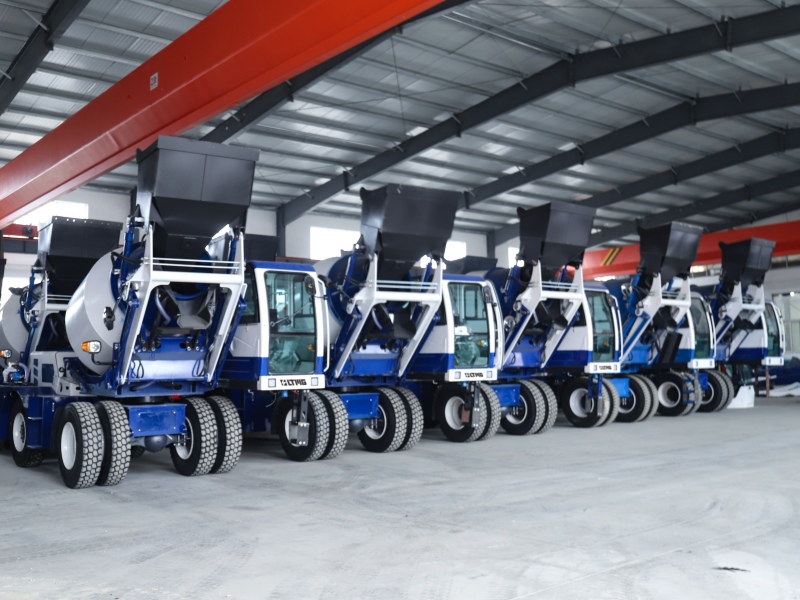
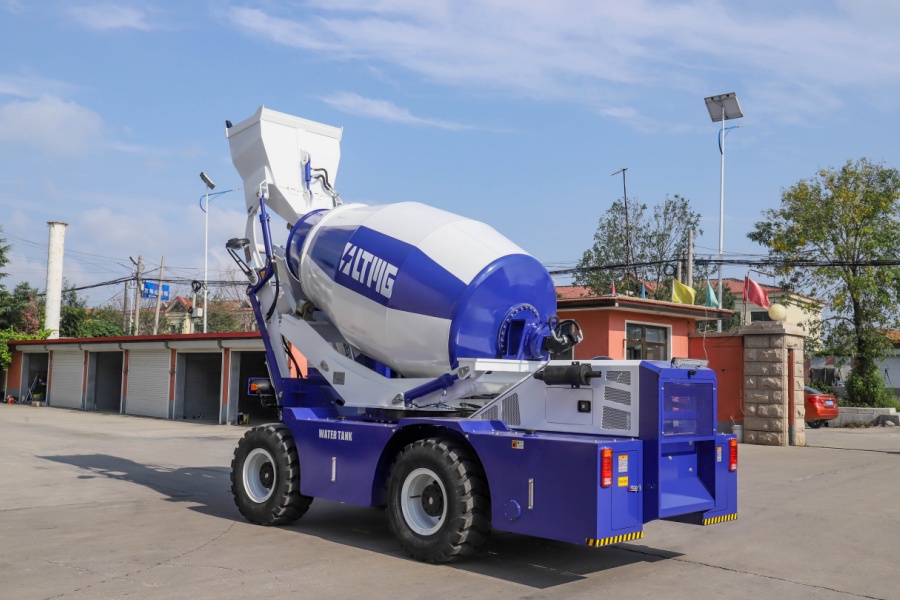
    In road construction, residential projects, and infrastructure development, a reliable concrete supply is essential for ensuring construction efficiency and controlling costs. However, traditional concrete supply methods can be challenging for remote areas, small projects, and mobile construction sites due to high transportation costs and limited flexibility. A Self Loading Concrete Mixer integrates loading, weighing, mixing, transporting, and discharging functions into one machine, allowing concrete production directly on-site. This guide will help you understand how to choose the right Self Loading Concrete Mixer model based on your project requirements, application scenarios, and equipment performance. When Should You Choose a Self Loading Concrete Mixer? A Self Loading Concrete Mixer is not the only option for every construction project, but it can provide greater flexibility and cost efficiency in the following scenarios. 1. Construction Sites Far Away from Commercial Concrete Supply Stations For rural road construction, mountain projects, mining areas, and remote infrastructure projects, construction sites are often located far from urban areas. Relying on external concrete suppliers may result in: Long transportation distances; Higher concrete delivery costs; Increased waiting time during construction; Limited availability of local concrete suppliers. A Self Loading Concrete Mixer can load raw materials and produce concrete directly at the construction site, reducing dependence on fixed batching plants. It is especially suitable for: Rural road construction; Mining infrastructure projects; Remote construction projects; Sites without access to reliable concrete supply facilities. 2. Projects Requiring Frequent Movement Between Construction Sites Some construction projects are not limited to a single fixed location, such as: Road maintenance projects; Pipeline construction; Small-scale infrastructure projects; Multi-location continuous construction projects. Traditional concrete supply methods require continuous transportation of ready-mixed concrete, while fixed batching plants cannot easily adapt to changing construction locations. A Self Loading Concrete Mixer offers excellent mobility, allowing operators to adjust the working location according to project progress and produce concrete quickly in different areas. For companies that require flexible construction solutions, this equipment can reduce transportation and equipment scheduling costs while improving overall efficiency. 3. Projects Requiring Flexible Concrete Production Capacity For small and medium-sized construction projects, daily concrete demand may vary depending on the construction stage. Examples include: Residential construction; Small commercial buildings; Agricultural facility construction; Small-scale road projects. Building a large fixed batching plant may result in low equipment utilization and unnecessary investment. A Self Loading Concrete Mixer allows operators to produce the required amount of concrete based on actual construction needs, helping to: Reduce material waste; Lower equipment investment; Improve construction flexibility. Self Loading Concrete Mixer vs. Traditional Concrete Supply Methods When choosing concrete equipment, companies usually need to compare the differences between on-site concrete production solutions and traditional concrete supply methods. Comparison Factor Self Loading Concrete Mixer Traditional Concrete Supply Production Method Produces concrete directly at the construction site Relies on external concrete suppliers Equipment Requirements One machine integrates multiple functions Requires loaders, mixing equipment, and transportation vehicles Construction Flexibility High mobility and flexible on-site operation Limited by supply locations and transportation conditions Suitability for Remote Areas Strong adaptability Higher transportation costs Concrete Supply Control Produces concrete according to actual project needs Depends on supplier schedules and availability For projects with scattered construction sites, limited infrastructure conditions, or the need for quick response, a Self Loading Concrete Mixer is often a more flexible and efficient concrete production solution. How to Choose the Right Self Loading Concrete Mixer? When choosing a Self Loading Concrete Mixer, price is not the only factor to consider. Project scale, working conditions, and equipment usage frequency all play an important role in the final decision. During the purchasing process, buyers should focus on the following three aspects: 1. Choose the Right Capacity Based on Concrete Demand Concrete demand is one of the most important factors when selecting equipment capacity. For projects with lower concrete requirements, scattered construction sites, or frequent equipment relocation, a compact Self Loading Concrete Mixer usually offers better flexibility and mobility. For projects such as road construction and infrastructure development that require continuous concrete supply, equipment with higher production capacity should be considered to reduce mixing cycles and improve construction efficiency. When selecting the right capacity, it is recommended to evaluate the daily concrete demand, project duration, and construction frequency together. 2. Select the Equipment Type Based on Construction Conditions The conditions of the construction site directly affect equipment suitability. If the working area is limited, road conditions are complex, or the equipment needs to be frequently moved, a compact and highly maneuverable model is usually a better choice. For large-scale construction projects, especially those requiring continuous pouring or stable concrete supply, priority should be given to equipment with higher production efficiency and continuous operating capability. 3. Consider Long-Term Operating Costs Construction machinery is a long-term investment. In addition to the initial purchase price, buyers should also consider the overall operating costs of the equipment. Choosing an integrated machine that combines loading, mixing, and transportation functions can reduce the need for additional equipment while lowering labor and maintenance costs. At the same time, spare parts availability and after-sales service support from the supplier are also important factors to consider during the purchasing process. LTMG Self Loading Concrete Mixer Solutions To meet the needs of different construction projects, LTMG provides a range of Self Loading Concrete Mixer solutions, helping customers select the right model based on their working environment and concrete production requirements. LTMG26 Self Loading Concrete Mixer: A Flexible Solution for Various Construction Projects For projects with limited working space, scattered construction locations, or frequent equipment relocation, a compact and highly maneuverable Self Loading Concrete Mixer can provide better adaptability and efficiency. The LTMG26 Self Loading Mixer for Construction Projects is designed for small and medium-sized construction applications. It features a 2.6 m³ mixing capacity per batch and can complete up to 4 mixing cycles per hour, achieving a maximum output of approximately 10.4 m³/h to meet daily concrete supply requirements. The LTM26 has an operating weight of approximately 7,000 kg and dimensions of 7,150 mm × 2,650 mm × 3,000 mm. Its compact design makes it especially suitable for construction sites with limited space or projects across multiple locations. The LTMG26 is suitable for: Residential construction projects; Rural infrastructure development; Small-scale road construction; Construction sites with limited operating space. The key advantage of the LTM26 is its flexibility. The machine integrates loading, mixing, transportation, and discharging functions into one unit, eliminating the need for additional loaders and transport equipment while reducing the number of machines required on site. In addition, the equipment features hydraulic articulated steering and a maximum climbing ability of 40°, allowing it to adapt to challenging working conditions. The mixing drum supports 270° horizontal rotation, making concrete discharge easier at different positions and improving on-site operating convenience. For customers with moderate concrete demand and frequently changing construction locations, the LTMG26 Self Loading Concrete Mixer offers an ideal balance between productivity and flexibility. LTMG42 4.2m³ Self Loading Concrete Mixer: A High-Efficiency Solution for Construction Projects For road construction, infrastructure projects, and large-scale construction applications that require a continuous concrete supply, equipment productivity and continuous operating capability become increasingly important. The LTMG42 4.2m³ Self Loading Concrete Mixer features a 4.2 m³ mixing capacity per batch and can complete up to 5 mixing cycles per hour, achieving a maximum output of approximately 20 m³/h. It is designed for construction projects with higher requirements for concrete supply efficiency. The LTM42 has an operating weight of approximately 9,500 kg and dimensions of 7,500 mm × 2,950 mm × 3,500 mm. Compared with compact models, it provides higher production capacity and is better suited for long-term and continuous construction operations. The LTMG42 is suitable for: Highway construction; Infrastructure development projects; Commercial building projects; Large-scale concrete construction applications. The LTM42 is equipped with an automatic loading, weighing, and mixing system, which reduces manual operations and improves on-site concrete production efficiency. It is powered by a Yuchai YCD4P22T 125 diesel engine with a rated power of 91 kW and features four-wheel drive capability. With a maximum climbing ability of 45°, it can handle a wider range of challenging construction environments. In addition, the mixing drum supports 270° rotation, and the discharge height reaches 2.2 m, improving unloading convenience at different construction locations. For projects that require a stable concrete supply and higher construction efficiency, the LTMG42 Self Loading Concrete Mixer provides greater productivity and stronger continuous operating capability. Conclusion A Self Loading Concrete Mixer integrates loading, mixing, transportation, and discharging functions into one machine, providing a more flexible and efficient concrete supply solution for modern construction projects. Choosing the right equipment requires comprehensive consideration of project scale, concrete demand, working conditions, and long-term operating requirements. The right model can not only meet construction needs but also help companies improve productivity and reduce operating costs. If you are looking for a suitable Self Loading Concrete Mixer for your construction project, the LTMG team can provide professional equipment selection advice and customized solutions based on your specific requirements. Contact us today to get more product information and a quotation.  
  • Wheel Loader vs Skid Steer Loader: How to Choose the Right Machine for Your Project?
    Wheel Loader vs Skid Steer Loader: How to Choose the Right Machine for Your Project? Jul 20, 2026
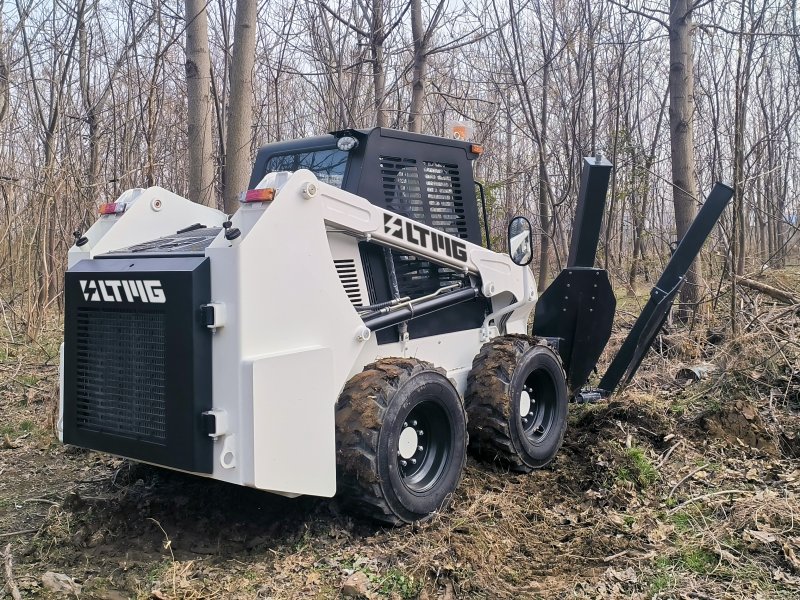
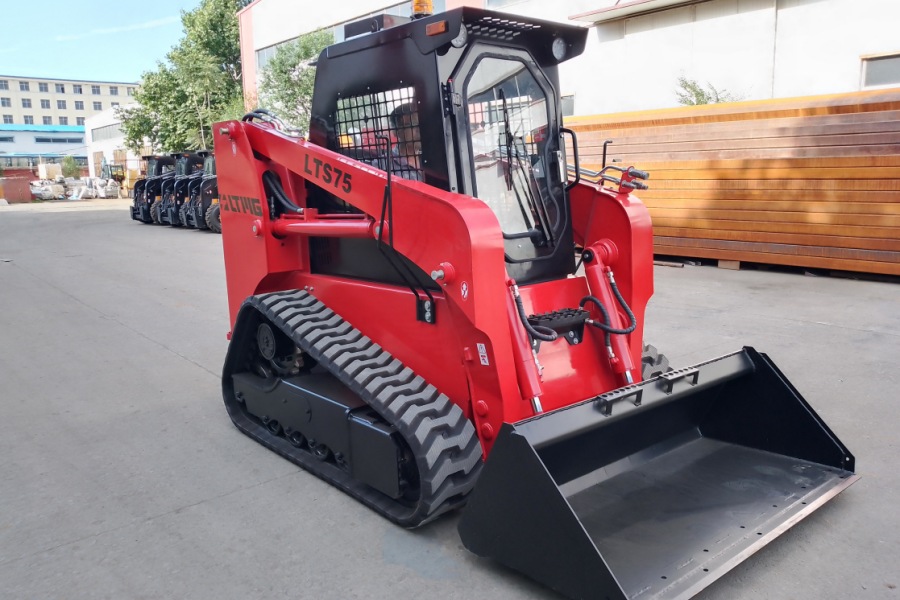
    Choosing the right loading equipment can directly affect construction efficiency and operating costs in construction, earthmoving, and material handling projects. For projects that require large volumes of material handling, wheel loaders are often the preferred choice due to their higher loading capacity and ability to perform continuous heavy-duty operations. For projects with limited working space that require greater flexibility and maneuverability, skid steer loaders provide a more suitable solution. So, what is the difference between a wheel loader and a skid steer loader? Which machine is the right choice for your project? This article will compare wheel loaders and skid steer loaders based on different applications and introduce LTMG loader solutions to help you select the right equipment. Wheel Loader: Ideal Choice for Heavy Material Handling and High-Efficiency Operations For construction projects that require efficient earthmoving, gravel loading, and material transportation, a wheel loader is usually the more suitable choice. Compared with skid steer loaders, wheel loaders offer higher loading capacity, stronger stability, and better performance for continuous operation. They are designed to handle large amounts of materials efficiently in demanding construction environments. Wheel loaders are commonly used for: Earthmoving projects; Road construction; Sand and gravel yards; Infrastructure projects; Mining support operations. Next, we will introduce two LTMG wheel loader models designed for different project requirements. LTMG LT958 5 Ton Wheel Loader: Recommended for General Construction Projects The LTMG LT958 5 ton wheel loader is a versatile machine designed for construction projects, earthmoving operations, and daily material handling applications. With a reliable power system, strong loading performance, and high operating efficiency, LT958 is suitable for customers looking for a dependable wheel loader for medium-sized construction projects. LT958 features a rated load capacity of 5,000 kg, an operating weight of approximately 17.4 tons, a 3 m³ bucket, a 162 kW engine, and a maximum breakout force of 147 kN. The large bucket capacity and strong power output enable LT958 to efficiently handle soil, gravel, and construction materials. For customers who need a balance between equipment performance, operating cost, and flexibility, LT958 is an ideal general-purpose wheel loader for long-term use. It can meet daily loading requirements while adapting to different material handling conditions. LT958 is mainly suitable for: Construction projects; Earthmoving operations; Sand and gravel loading; Material transfer at concrete mixing plants. LTMG LT978 7 Ton Wheel Loader: Recommended for Large-Scale Projects and Heavy Material Handling The LTMG LT978 7 ton wheel loader is designed for large-scale earthmoving projects, mining support operations, and heavy-duty material handling applications. Compared with LT958, LT978 offers a higher rated load capacity, larger bucket capacity, and stronger power output, making it more suitable for handling large volumes of high-density materials such as soil, gravel, and mining materials. LT978 features a rated load capacity of 7,000 kg, an operating weight of approximately 24,300 kg, a 4-6 m³ bucket, a 199 kW engine, and a maximum breakout force of 202 kN. The larger bucket capacity and stronger breakout force help reduce loading cycles and improve material handling efficiency in large construction environments. For applications such as sand and gravel yards, mining support, and large infrastructure projects, equipment needs to perform reliably under long hours of heavy-duty operation. With higher productivity and stronger working capability, LT978 is better suited for projects that require continuous handling of large quantities of materials. LT978 is mainly suitable for: Sand and gravel yards; Mining support operations; Large infrastructure projects; Large-scale earthmoving projects. Comparison LT958 5 Ton Wheel Loader LT978 7 Ton Wheel Loader Product Positioning General-purpose construction wheel loader Heavy-duty wheel loader Rated Load Capacity 5,000 kg 7,000 kg Bucket Capacity 3 m³ 4-6 m³ Key Advantages Balanced performance, operating cost, and flexibility Higher loading capacity for heavy-duty operations Recommended Applications Construction projects, earthmoving, material transfer Sand and gravel yards, mining support, large-scale earthmoving projects Skid Steer Loader: Ideal Choice for Small Spaces and Multi-Purpose Operations For projects with limited working space, complex operating environments, or the need for one machine to perform multiple tasks, a skid steer loader is often a more flexible solution. Compared with wheel loaders, skid steer loaders feature a more compact design, allowing them to operate and maneuver effectively in confined areas. They also support a wide range of attachments, enabling operators to handle different tasks with one machine. Skid steer loaders are commonly used for: Landscaping projects; Agricultural applications; Municipal maintenance; Small construction projects; Operations in confined working areas. If your project requires frequent changes between different tasks or you need one machine for loading, cleaning, material handling, and other operations, a skid steer loader can provide greater flexibility and equipment utilization. Next, we will introduce two LTMG skid steer loader models designed for different application requirements. LTMG LTS75 Track Skid Steer Loader: Recommended for Challenging Terrain and Flexible Operations The LTMG LTS75 track skid steer loader is designed for construction environments that require better ground adaptability and operational stability. Compared with traditional wheeled skid steer loaders, the track undercarriage provides better traction and lower ground pressure, allowing the machine to operate more effectively on muddy, soft, and uneven terrain. LTS75 features a rated load capacity of 1,050 kg, an operating weight of approximately 3,800 kg, a 0.5 m³ bucket, and a 55 kW engine. The compact design combined with a track drive system allows LTS75 to access confined working areas and perform loading, material handling, and cleaning tasks in challenging conditions. For landscaping projects, agricultural applications, and construction sites with difficult ground conditions, LTS75 provides better stability and flexibility while reducing operational limitations in demanding environments. LTS75 is mainly suitable for: Landscaping projects; Agricultural applications; Muddy, soft, or uneven ground operations; Small construction projects; Site cleaning. LTMG LT75 Wheel Skid Steer Loader: High-Efficiency Solution for Multi-Purpose Operations The LTMG LT75 wheel skid steer loader is designed for customers who need higher working efficiency, faster transportation, and versatile attachment applications. Compared with track skid steer loaders, the wheeled design provides better mobility and is more suitable for frequent movement on hard surfaces and conventional construction sites. LT75 features a rated load capacity of 1,100 kg, an operating weight of approximately 3,810 kg, a 0.53 m³ bucket, and a 65 kW engine. Equipped with a high-flow hydraulic system, LT75 supports a wider range of attachments, helping operators complete loading, material handling, cleaning, and other specialized tasks. Compared with LTS75, LT75 is better suited for projects that require frequent machine movement, higher operating efficiency, and greater attachment flexibility. LT75 is mainly suitable for: Construction projects; Material handling; Agricultural applications; Multi-purpose attachment operations.   Comparison LTS75 Track Skid Steer Loader LT75 Wheel Skid Steer Loader Product Positioning Skid steer loader for challenging terrain High-efficiency multi-purpose skid steer loader Drive System Track undercarriage Wheeled design Rated Load Capacity 1,050 kg 1,100 kg Key Advantages Better traction and adaptability for muddy, soft, and uneven terrain Faster mobility and support for more attachment applications Recommended Applications Landscaping, agriculture, and challenging ground conditions Construction, material handling, and multi-purpose operations Wheel Loader vs Skid Steer Loader: Which One Should You Choose? Choosing between a wheel loader and a skid steer loader mainly depends on your working environment, project scale, and equipment requirements. Each type of machine has its own advantages. Comparison Wheel Loader Skid Steer Loader Core Advantages Higher loading capacity and material handling efficiency Greater flexibility and multi-purpose operating capability Main Applications Large-scale earthmoving, gravel handling, infrastructure projects Landscaping, small construction projects, confined working areas Working Environment Open construction areas Narrow or complex working areas Loading Capacity Higher, suitable for large-volume material handling Lower, suitable for light to medium-duty operations Operating Characteristics Ideal for long-term, continuous, high-efficiency loading tasks Suitable for frequent maneuvering and multi-purpose operations Attachment Applications Mainly focused on bucket operations Supports various attachments for versatile applications   If your project requires handling large amounts of soil, gravel, or other bulk materials every day, and the working area is relatively open, a wheel loader is usually the more suitable choice. If your project has limited space, requires frequent changes between different tasks, or needs one machine to perform loading, cleaning, material handling, and other operations, a skid steer loader provides greater flexibility. Find the Right LTMG Loader for Your Project Choosing the right loading equipment can help improve construction efficiency and reduce long-term operating costs. LTMG provides wheel loaders, skidCC steer loaders, and complete construction equipment solutions to meet different project requirements based on your application, working environment, and operational needs. Whether you need a wheel loader for heavy material handling or a skid steer loader for flexible and multi-purpose operations, LTMG can provide reliable equipment solutions for your projects. Contact LTMG today to get professional equipment recommendations and a quotation for your project.
  • Large Excavator Size Guide: 23 Ton, 33 Ton, and 40 Ton Excavators
    Large Excavator Size Guide: 23 Ton, 33 Ton, and 40 Ton Excavators Jul 14, 2026
    Choosing the right large excavator is essential for maximizing productivity and controlling costs in construction projects, road construction, mining, and infrastructure development. These demanding applications require powerful digging performance, a wide working range, and reliable operation, making excavator size one of the most important factors in equipment selection. An excavator that is too small may reduce productivity and extend project timelines, while an oversized machine can increase purchase, transportation, and operating costs. Selecting the right machine for your specific job helps achieve the best balance between performance, efficiency, and long-term operating costs. In this guide, we'll compare 23 ton, 33 ton, and 40 ton excavators, explain their ideal applications, and help you choose the right LTMG crawler excavator for your project. 23 Ton Excavator: A Cost-Effective Choice for Large Construction Projects The 23 ton excavator is one of the most popular choices for large construction projects, offering an excellent balance of power, productivity, and maneuverability. Compared with excavators over 30 tons, a 23 ton crawler excavator is easier to transport and operate while still providing the performance required for most medium to large-scale construction projects. It is an ideal solution for road construction, foundation work, infrastructure development, and general earthmoving applications. Recommended Model: LTMG LTE230 23 Ton Crawler Excavator The LTMG LTE230 23 Ton Crawler Excavator is designed for medium to large construction projects. Powered by a Cummins QSB7 engine with a rated output of 124 kW, it features a 1.1 m³ bucket that delivers reliable digging performance and efficient material handling. With its powerful engine, reliable hydraulic system, and durable crawler undercarriage, the LTE230 performs exceptionally well in road construction, infrastructure projects, earthmoving, and challenging jobsite conditions. Key Specifications Specification LTE230 Operating Weight 23,000 kg Engine Cummins QSB7 Rated Power 124 kW / 2050 rpm Bucket Capacity 1.1 m³ Max. Digging Radius 9,936 mm Max. Digging Depth 6,550 mm Max. Digging Height 9,680 mm Max. Dumping Height 6,730 mm Key Benefits of the LTMG LTE230 Powerful Performance for Higher Productivity Powered by the reliable Cummins QSB7 engine, the LTE230 delivers consistent power output for demanding earthmoving applications, helping maintain high productivity even under heavy workloads. Efficient Hydraulic System for Precise Operation The LTE230 features a dual-pump hydraulic system that improves hydraulic response and enables smoother boom, arm, and bucket movements. This results in faster cycle times and greater operating efficiency. Durable Undercarriage for Tough Jobsite Conditions Its reinforced crawler undercarriage provides excellent stability and traction on muddy, uneven, and challenging terrain, making it well suited for earthmoving, road construction, and long-term construction projects. 33 Ton Excavator: An Efficient Heavy-Duty Solution for Large Construction Projects The 33 ton excavator is a popular choice for large-scale construction projects and heavy-duty applications. Compared with 20–25 ton excavators, it offers higher operating weight, larger bucket capacity, and stronger digging performance, making it suitable for more demanding construction tasks. Compared with excavators above 40 tons, a 33 ton crawler excavator provides an excellent balance between productivity and operating costs. With strong performance while maintaining relatively lower transportation and ownership costs, it has become one of the preferred excavator sizes for overseas contractors working on large construction and infrastructure projects. Recommended Model: LTMG LTE330 33 Ton Crawler Excavator The LTMG LTE330 33 Ton Crawler Excavator is designed for large-scale earthmoving projects and heavy-duty construction environments. Equipped with a Cummins 6LTAA8.9 engine delivering 242 kW at 2000 rpm, along with a Kawasaki hydraulic system, the LTE330 provides powerful and stable performance for demanding jobsite conditions. With a 32,500 kg operating weight, 1.6 m³ bucket capacity, and strong digging capability, the LTE330 delivers the efficiency, durability, and stability required for large construction projects, infrastructure development, and heavy excavation operations. Key Specifications Specification LTE330 Operating Weight 32,500 kg Engine Model Cummins 6LTAA8.9 Rated Power 242 kW / 2000 rpm Bucket Capacity 1.6 m³ Max. Digging Force 227 kN Max. Digging Depth 6,890 mm Max. Digging Radius 10,800 mm Max. Digging Height 9,800 mm Max. Dumping Height 6,830 mm Max. Flow 320 × 2 L/min Hydraulic System Pressure 37.3 MPa Key Benefits of the LTMG LTE330 Powerful Performance for Heavy-Duty Construction Equipped with a 242 kW Cummins engine, the LTE330 delivers reliable power for large-scale earthmoving, heavy excavation, and long-hour continuous operations, helping improve productivity in demanding construction environments. Efficient Hydraulic System for Smooth Operation The Kawasaki hydraulic system provides stable hydraulic output, fast response, and smooth combined movements, improving cycle efficiency during large-scale excavation projects. Large Capacity and Durable Structure for Demanding Applications With a 1.6 m³ bucket and reinforced structural components, including the boom, arm, and bucket, the LTE330 offers higher material handling efficiency and excellent durability for earthmoving projects, infrastructure construction, and mining support applications. 40 Ton Excavator: A High-Productivity Solution for Mining and Large Infrastructure Projects The 40 ton excavator is a heavy-duty machine designed for large-scale construction projects that require high productivity, excellent stability, and long-term continuous operation. Compared with 20–30 ton excavators, a 40 ton excavator offers greater operating weight, stronger digging force, and higher material handling capacity. These advantages make it an ideal choice for large-scale earthmoving projects, mining operations, quarry applications, and major infrastructure development. For projects that require long hours of heavy-duty excavation, a 40 ton crawler excavator can reduce cycle times, improve production efficiency, and deliver reliable performance in demanding working conditions. It is widely used by large contractors and mining companies looking for maximum productivity. Recommended Model: LTMG LTE400 40 Ton Crawler Excavator The LTMG LTE400 40 Ton Crawler Excavator is developed for mining, large infrastructure projects, and heavy-duty earthmoving applications. Powered by a Cummins QSM11 engine with a rated power of 250 kW, and equipped with a Kawasaki hydraulic system, the LTE400 delivers powerful performance and stable hydraulic output for long hours of high-intensity operation. With an operating weight of nearly 40 tons, a large-capacity bucket, and strong digging capability, the LTE400 helps improve productivity and efficiency in large-scale excavation projects. Key Specifications Specification LTE400 Operating Weight 39,800 kg Engine Cummins QSM11 Rated Power 250 kW Bucket Capacity 1.9 m³ Max. Digging Force 260 kN Max. Digging Depth 7,600 mm Max. Digging Radius 11,700 mm Max. Dumping Height 7,600 mm Hydraulic System Kawasaki Key Benefits of the LTMG LTE400 Powerful Performance for Heavy-Duty Applications Powered by a Cummins QSM11 engine with 250 kW rated power, the LTE400 delivers reliable performance for demanding applications such as mining excavation, large-scale earthmoving, and continuous heavy-duty operations. High Productivity with Large Bucket Capacity Featuring a 1.9 m³ large-capacity bucket and strong digging capability, the LTE400 improves material handling efficiency and helps increase productivity in large construction and mining projects. Stable Structure for Challenging Jobsite Conditions With a reinforced structure and heavy-duty crawler undercarriage, the LTE400 provides excellent stability, durability, and terrain adaptability, making it suitable for mines, quarries, and large excavation sites. What Factors Should You Consider When Buying a Large Excavator? When buying a large excavator, selecting the right tonnage is only one part of the decision. You should also consider project requirements, working conditions, machine performance, after-sales support, and future equipment needs. The following factors can help you make a more informed excavator purchasing decision. Project Requirements Different construction projects have different performance requirements. Choosing the right excavator size and configuration based on your actual application is essential. 20–30 ton excavators: Suitable for road construction, municipal projects, and large building construction. 33 ton excavators: Ideal for large-scale earthmoving projects and infrastructure development. 38 tons and above excavators: Better suited for mining, quarry operations, and other heavy-duty applications. Selecting the right machine size helps ensure better productivity while avoiding unnecessary equipment costs. Working Conditions Jobsite conditions have a direct impact on excavator performance, efficiency, and service life. Before purchasing, consider: Soil conditions, including soft soil, clay, and rocky terrain Ground conditions, such as flat areas, slopes, or limited working spaces Available operating space at the jobsite For challenging environments such as mines and rocky areas, a higher-tonnage excavator with stronger digging force and a more durable structure is usually required. Engine and Hydraulic System Performance Large excavators are often required to operate continuously under heavy loads, making engine and hydraulic system performance critical factors. When selecting an excavator, pay attention to: Engine power output and reliability Hydraulic system response and stability Fuel efficiency and overall operating costs A high-performance power system not only improves productivity but also helps reduce long-term ownership costs. After-Sales Support and Parts Availability For large construction equipment, reliable after-sales service is an important factor when choosing a supplier. Consider whether the manufacturer can provide: Fast and reliable spare parts supply Professional technical support Long-term maintenance and warranty services Strong after-sales support helps minimize downtime and ensures your project continues according to schedule. Attachments and Future Expansion If your project requires multiple applications, choosing an excavator that supports various attachments can improve equipment versatility and utilization. Common excavator attachments include: Hydraulic breakers Log grapples Hydraulic augers Quick couplers Better attachment compatibility allows one machine to handle more tasks, reducing the need for additional equipment investment. Choose the Right LTMG Excavator Solution for Your Project Selecting the right excavator size and model can help you meet different jobsite requirements, improve operating efficiency, reduce equipment costs, and maximize your long-term return on investment. As a professional construction equipment manufacturer, LTMG provides a complete range of excavator solutions, including mini excavators, medium excavators, large crawler excavators, and wheeled excavators. Our machines are designed to support various applications, from general earthmoving and construction projects to large infrastructure development and mining operations. Whether your project involves: Construction projects Road and infrastructure development Earthmoving applications Mining and heavy-duty operations LTMG can recommend the right excavator configuration based on your working conditions, project requirements, and budget, helping you achieve more efficient and reliable performance. Contact LTMG today to get professional excavator selection advice, product information, and customized equipment solutions for your project.
  • Bulldozer vs Motor Grader: Which Machine Should You Use for Road Construction and Earthmoving?
    Bulldozer vs Motor Grader: Which Machine Should You Use for Road Construction and Earthmoving? Jun 26, 2026
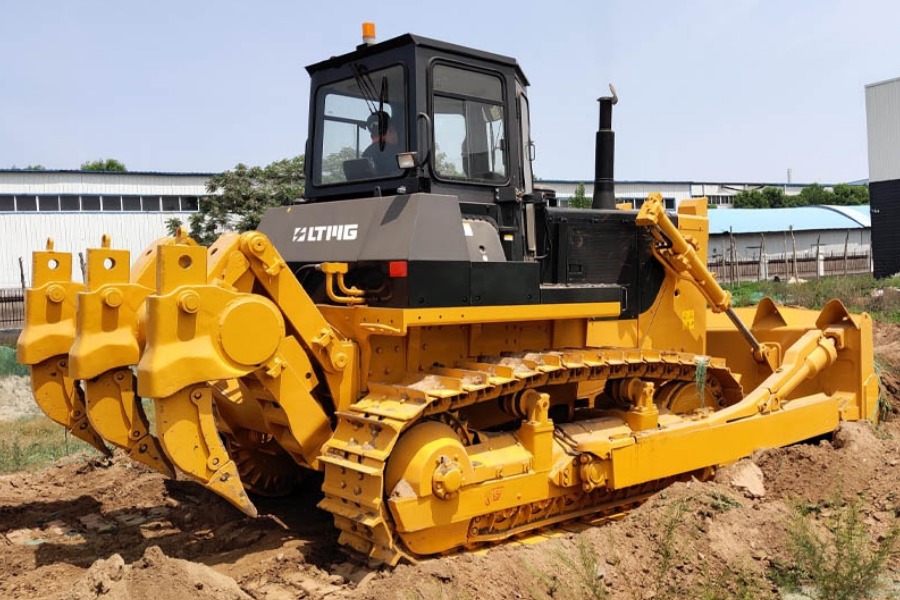
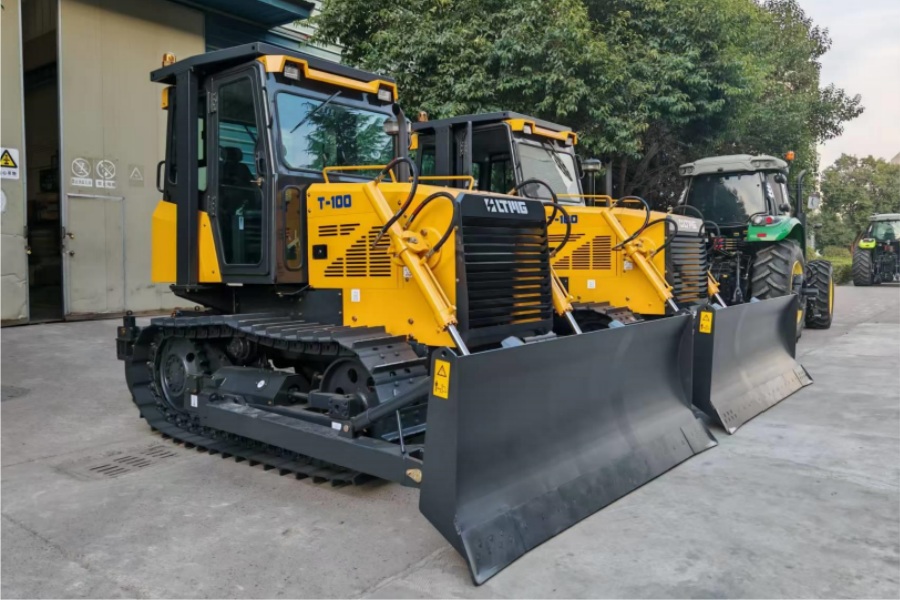
    In road construction and earthmoving projects, one of the most common questions contractors face is: Should I use a bulldozer or a motor grader for leveling the ground? In some projects, even after using a bulldozer for initial grading, the surface still cannot meet final flatness requirements. In other cases, customers are unsure whether they need to add a motor grader to achieve higher precision. Based on LTMG’s global project experience, this issue is usually not about machine capability, but about matching the right equipment to the right construction stage. Although both machines are used for ground preparation, they serve very different purposes. So how should you choose in real construction projects? And when should bulldozers and motor graders work together? What Is the Difference Between a Bulldozer and a Motor Grader? A bulldozer and a motor grader are two essential machines used in different stages of road construction. Many users confuse their roles, which often leads to inefficient equipment selection or unsatisfactory results. What Is a Bulldozer? A bulldozer is a heavy-duty earthmoving machine designed for pushing, cutting, and relocating large volumes of soil. Its main function is not precision leveling, but rapid terrain shaping and earthwork preparation. In road construction, a bulldozer is typically used in the early stage for: Clearing obstacles and site preparation Moving and pushing large volumes of soil Filling low-lying areas and rough grading Forming the initial road base In simple terms, a bulldozer turns raw land into a workable construction foundation. It is commonly referred to as a crawler dozer in many engineering projects. What Is a Motor Grader? A motor grader is a precision finishing machine used for fine grading work. Unlike bulldozers, its strength is not in material movement but in accuracy and surface control. It is mainly used in the middle and final stages of road construction. Typical applications include: Fine grading of road surfaces Controlling slope and drainage structure Surface finishing of the road base Preparing the surface for paving or compaction In simple terms, a motor grader refines an already formed surface into a standardized and precise roadway. Bulldozer vs Motor Grader: Key Differences Category Bulldozer Motor Grader Main function Earthmoving & shaping Precision finishing Construction stage Early stage Middle & final stage Focus Power & efficiency Accuracy & control Output goal Form basic terrain Achieve road standard Replaceability Cannot replace grader Cannot replace bulldozer How to Choose the Right Machine Quickly? In real construction scenarios, you can use a simple decision logic: If the site is still raw land and requires large-scale earthmoving → use a bulldozer If the ground is already formed but not smooth enough → use a motor grader For complete road construction projects → both machines are required In short: Bulldozer = creates the foundation Motor grader = completes the surface standard LTMG Road Construction Equipment Solutions In road construction, the key is not what machines can do, but whether they are used in the correct stage. LTMG provides both bulldozers and motor graders designed for different construction phases: earth formation and surface finishing. LTMG 220HP Bulldozer (Heavy-Duty Earthmoving Projects) Ideal for: Large-scale soil pushing Road base formation Mining and highway construction projects Featured model: LTMG T220 bulldozer This machine is equipped with a Cummins NT855-C280S10 engine (175kW), with an operating weight of 23.5 tons and a 6.4m³ large-capacity blade. It delivers strong productivity for heavy earthmoving tasks, with a maximum traction force of 202kN, ensuring stable performance in demanding conditions. Product link: 220HP Bulldozer with Cummins Engine LTMG T100 Bulldozer (Small to Medium Projects) Ideal for: Urban road construction Small earthmoving projects Site preparation works LTMG 180HP Motor Grader (Precision Finishing Stage) Ideal for: Final road leveling Slope and drainage control Surface preparation before paving or compaction Featured model: LTMG LG180 motor grader This model is powered by a 132kW (180HP) Cummins 6BTA5.9 engine, with an operating weight of 16 tons and a 3965mm moldboard. It provides excellent grading efficiency and surface precision, with a maximum travel speed of 38.2 km/h, improving overall construction efficiency. Product link: Powerful 180HP Motor Grader   Both bulldozers and motor graders are suited to different construction stages and tasks. Choosing the right equipment not only improves construction efficiency, but also helps reduce rework and additional costs. Common Mistakes in Bulldozer and Motor Grader Selection In road construction projects, issues are often not caused by machine performance, but by incorrect equipment selection or improper working sequence. Based on LTMG experience, the following are the most common mistakes that lead to rework and higher costs. Using a bulldozer for final finishing After initial earthmoving with a bulldozer, some projects continue using it for final surface finishing. However, bulldozers are designed for rough grading, not precision work. They cannot provide accurate slope control or surface finishing, which often results in uneven roads and poor drainage. Using a motor grader too early Using a motor grader before the subgrade is stable or properly compacted can reduce grading accuracy. Although the machine can operate, unstable ground makes it difficult to achieve the required precision and may affect overall efficiency. Ignoring construction sequence In road construction, correct sequencing is critical. Even high-performance machines like a crawler dozer or road grader cannot deliver good results if used at the wrong stage. Proper workflow ensures better quality and fewer rework costs. Conclusion In road construction and earthmoving projects, bulldozers and motor graders serve completely different purposes. A bulldozer (crawler dozer) is used for early-stage earthmoving and road base formation. A motor grader is used for precision finishing and slope control. If you are planning a road construction project but are unsure how to configure your equipment, LTMG can provide tailored solutions based on your working conditions, helping you reduce trial-and-error costs and improve efficiency. FAQs What is a bulldozer? A bulldozer is an earthmoving machine used for pushing, clearing, and shaping soil. It is widely used in road construction, mining, and site preparation. It is mainly used in the early stage of projects to create a workable base for further construction. How to operate a crawler dozer? Before operating a crawler dozer, check fuel, hydraulic systems, and track conditions. After startup, control direction, speed, and blade position to perform pushing and leveling tasks. Operators should be professionally trained and follow the equipment manual strictly to ensure safety and efficiency. What is a motor grader? A motor grader is a precision grading machine used for leveling surfaces and controlling slope. It is commonly used in road construction and finishing work to ensure smoothness and drainage accuracy.
  • Tractor Horsepower Guide: 50HP vs 80HP vs 90HP
    Tractor Horsepower Guide: 50HP vs 80HP vs 90HP Jun 23, 2026
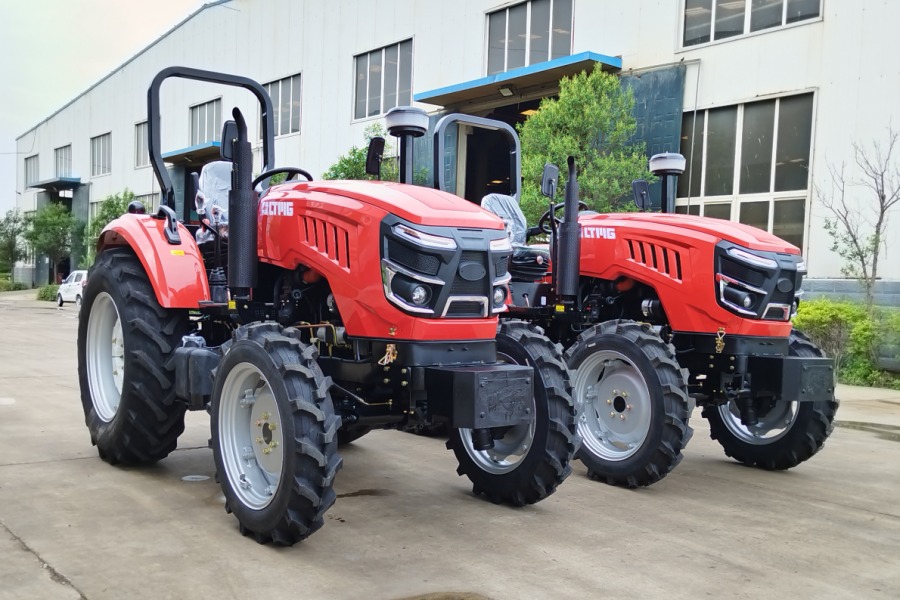
    When selecting a tractor, horsepower is one of the most important—and most commonly misunderstood—factors. An improper choice can lead to either insufficient power that reduces working efficiency, or excessive horsepower that increases fuel consumption and operating costs. In reality, choosing a compact tractor or farm tractor is not about picking the biggest number. It is about matching the machine with real field requirements, working conditions, and implement compatibility. This guide compares three common models—50HP, 80HP, and 90HP—to help you make a more practical decision. 50HP vs 80HP vs 90HP Tractors: Practical Application Comparison Choosing tractor horsepower is essentially about balancing efficiency, operating cost, and implement compatibility. A properly matched diesel tractor ensures stable implement performance, avoids repeated passes in the field, and prevents unnecessary fuel waste caused by over-sizing. That’s why horsepower should always be selected based on actual farming needs rather than specifications alone. Below is a breakdown of three representative LTMG 4WD tractor models. 50HP Tractor (Small Farms / Orchards / Light Work) A 50HP tractor is a light-duty agricultural machine designed for small farms, orchards, and precision farming applications. It offers a good balance between fuel efficiency and maneuverability, making it a popular entry-level option among small tractors. The LY504 model is equipped with a 50HP (36.8kW) diesel engine and a 4WD system, providing stable traction across various terrains. It offers optional transmission systems such as 8F+2R or 8F+8R, a standard 540 rpm PTO, and a hydraulic lifting capacity of around 10–15 kN, making it suitable for rotary tilling, light plowing, and transport tasks. Suitable for: 1–5 hectare small farms Orchards and vegetable fields Hilly or fragmented land Typical Applications: Orchard mowing and spraying Light rotary tillage Basic soil preparation Short-distance transport Key Advantages: Easy to operate, suitable for beginners Low fuel consumption and high efficiency Simple structure with low maintenance cost Highly maneuverable for orchard row work A 50HP unit is an ideal entry-level compact tractor solution for users seeking cost efficiency and basic multifunctional farming capability. 80HP Tractor (All-Purpose Mid-Size Farm Workhorse) The 80HP tractor is one of the most widely used mid-range farm tractors globally. It is a true all-rounder suitable for most standard agricultural operations. The LTB804 model features an 80HP (58.8kW) diesel engine and a 4WD drivetrain, delivering stable traction across complex field conditions. With multiple transmission options, a standard 540 rpm PTO, and a hydraulic lifting capacity of 20–25 kN, it is compatible with plowing, rotary tilling, and medium-duty implements. Suitable for: 5–15 hectare medium farms Multi-crop farming operations Mixed terrain or variable soil conditions Typical Applications: Plowing, harrowing, and land preparation Seeding and field management Medium-duty implement towing Farm transport and material handling Key Advantages: Strong and stable power output Wide compatibility with implements High operational efficiency Balanced fuel consumption and performance The 80HP category is often considered the most balanced choice among tractors for sale, making it a reliable standard option for most agricultural users. 90HP Tractor (Heavy-Duty & Large Farm Operations) The LTB904 90HP tractor is designed for high-intensity agricultural work. It is powered by a 90HP (66.15kW) turbocharged diesel engine and equipped with a reinforced chassis for heavy-duty applications. It features a 12F+12R transmission with dual-acting clutch, dual-speed PTO (540/1000 rpm), and a strong hydraulic system, making it suitable for larger and more demanding implements. Suitable for: 15–30+ hectare large farms Commercial agriculture operations Hard soil, clay, or uncultivated land Continuous heavy-duty field work Typical Applications: Deep plowing and land reclamation Heavy implement towing Long-duration field operations Bulk material transport High-intensity multi-implement work Key Advantages: High power output for heavy implements Excellent efficiency in large field operations Strong stability under load Considerations: Higher fuel consumption Less suitable for small or fragmented fields Higher overall operating cost The 90HP model is ideal for users who need maximum productivity from a high-performance 4WD tractor in demanding agricultural environments. Common Tractor Implements and Compatibility The real performance of a tractor depends heavily on how well it matches agricultural implements. Rotary Tiller One of the most commonly used soil preparation tools. Suitable for most soil conditions High working efficiency Requires stable PTO output Mower (Rotary Cutter) Used for grass cutting and vegetation control. Ideal for orchards and pasture maintenance Low power requirement Relies on stable PTO performance Disc Harrow Used for post-plowing soil leveling and breaking clods. Improves soil structure Enhances seedbed quality Medium power requirement Ditcher / Post Hole Digger Used in orchards and infrastructure farming. Tree planting holes Irrigation ditching Farm infrastructure construction From a practical perspective, a tractor’s capability is defined not only by horsepower, but also by how effectively it integrates with implements. A well-matched system significantly improves productivity and reduces operating costs. Conclusion Choosing the right tractor requires evaluating multiple factors, including farm size, soil conditions, implement type, and operational intensity. There is no universal solution, only the right match for your specific application. Whether you are looking for a compact tractor for sale, a versatile mid-range farm tractor, or a heavy-duty 4WD model for large-scale operations, proper selection ensures better efficiency and long-term cost savings. At LTMG, we provide tailored recommendations based on real working conditions, helping customers select the most suitable tractor and implement combination. This ensures maximum productivity, lower operating costs, and a better return on investment for every agricultural project. FAQs What size tractor do I need for a small farm? For small farms, a 50HP–60HP tractor is usually sufficient for basic field work, mowing, and light transport. It offers a good balance between power, fuel efficiency, and maneuverability. What is the difference between 80HP and 90HP tractors? An 80HP tractor is more suitable for standard medium farm operations, while a 90HP tractor provides higher torque and better performance for heavy-duty work and more complex field conditions. What attachments can be used with a farm tractor? Farm tractors can work with various attachments such as plows, rotavators, trailers, loaders, and seeders. The compatibility depends on PTO power, hydraulic capacity, and tractor horsepower.  
  • Top 5 Mistakes to Avoid When Buying a Wheel Loader
    Top 5 Mistakes to Avoid When Buying a Wheel Loader Jun 22, 2026
    In the selection process of a wheel loader, many users tend to focus on price, tonnage, or appearance. However, in real-world applications, these surface-level factors cannot fully reflect the actual performance of a machine under specific working conditions. Based on LTMG’s global experience in construction machinery projects, different job sites require different performance configurations. Relying only on a single parameter when choosing a wheel loader for sale can easily lead to mismatched efficiency and higher operating costs in later use. Below are five of the most common selection mistakes that often affect equipment performance and productivity. 1. Judging a Wheel Loader Only by Tonnage Many buyers assume: “A 7-ton wheel loader is always stronger than a 5-ton model.” While this may seem logical, it is not always accurate in real applications. The actual performance of a wheel loader depends on both tonnage and working condition compatibility. Tonnage is only a basic indicator; the key is whether the machine matches the jobsite requirements. LTMG Wheel Loader Range and Application Logic In the LTMG product line, models such as LT925, LT958, and LT978 are not simply scaled-up versions of each other. They represent three different application levels for different working intensities: LT925 (2.5 ton) – Light Duty Mini Wheel Loader Segment A compact and flexible mini wheel loader designed for low-load, high-frequency operations such as: Farm material handling Small construction sites Short-distance loading and transfer Core advantages: High maneuverability Low fuel consumption Ideal for tight working spaces Its strength lies not in heavy lifting, but in efficiency and flexibility.     LT958 (5 ton)– Standard Wheel Loader for General Construction This is the most widely used segment of the wheel loader for sale market, suitable for: Aggregate yards Concrete batching plants Municipal construction projects Core advantages: Balanced efficiency and stability Suitable for continuous medium-to-high intensity work Optimal fuel-to-performance ratio This is often the most frequently selected wheel loader class in real projects.     LT978 (7 ton class)– Heavy Duty High-Capacity Wheel Loader Designed for large-scale and heavy-duty applications such as: Mining operations Large aggregate stockyards High-volume loading systems With specifications such as 7-ton load capacity, 4–6 m³ bucket, and high-power engine systems, this wheel loader for sale focuses on: Maximum single-cycle productivity Continuous high-load performance Large material handling efficiency Its core value is production output per hour, not operational flexibility.   Same “tonnage upgrade,” the actual differences are: LT925 → flexibility-oriented LT958 → balanced efficiency LT978 → maximum productivity Therefore, in the selection process of wheel loaders, tonnage alone should not be used as the sole criterion, and it is not recommended to blindly pursue larger models. Instead, the focus should be on matching the equipment to the specific working conditions and job requirements. An increase in tonnage does not necessarily lead to higher efficiency. In mismatched operating conditions, it may actually result in higher fuel consumption, reduced operating efficiency, and increased overall operating costs. 2. Ignoring Bucket Capacity and Cycle Efficiency Many users assume: “Same tonnage means similar efficiency.” In reality, productivity depends on: Single load volume × cycle speed This is where bucket capacity plays a critical role for any wheel loader. Bucket Capacity vs Working Efficiency Model Tonnage Bucket Capacity Work Characteristics Suitable Applications LT925 2.5 ton 1.3 m³ High flexibility, fast cycles Farms, small sites LT958 5 ton 3 m³ Balanced performance Aggregate yards, batching plants LT978 7 ton 4–6 m³ High-capacity loading Mining, large-scale yards   Although larger wheel loaders typically come with bigger buckets, bucket size must always match rated load capacity. Oversized buckets may lead to: Insufficient power Reduced stability Faster wear of hydraulic and structural components 3. Ignoring Hydraulic System and Engine Matching When choosing a wheel loader, many users focus on engine power alone. However, the hydraulic system determines the real working efficiency. Hydraulic System Defines Cycle Speed The hydraulic system of a wheel loader’s working attachment is primarily responsible for controlling: Boom lifting and lowering (raising and lowering) Bucket tilting (dumping and retraction) Its performance is typically evaluated through three key time indicators: Boom lifting time Bucket tilting time Boom lowering time The total of these three times directly forms the core operating cycle time of a complete working process. The shorter the cycle time, the more operating cycles the machine can complete within a given period, and the higher the overall efficiency. Only when the hydraulic response speed is properly matched with the entire machine can the equipment achieve high efficiency and stable performance in real working conditions. 4. Ignoring Tire and Ground Condition Compatibility A wheel loader for sale must be selected based on the actual working surface. Different ground conditions significantly affect performance: Soft soil / muddy ground: Lower traction, higher slippage, reduced efficiency Rocky surfaces: Faster tire wear, higher maintenance cost Concrete/asphalt surfaces: Higher speed and efficiency, but higher structural load in heavy-duty work Ignoring ground conditions may result in: Slippage and efficiency loss Increased operating costs Reduced safety and stability   5. Focusing Only on Purchase Price Instead of Lifecycle Cost Many buyers compare only the initial price when selecting a wheel loader for sale, but real cost includes: Fuel consumption Maintenance cost Spare part replacement cycle Downtime losses In long-term operations, these hidden costs often exceed the initial price difference. From LTMG’s design philosophy, modern wheel loaders are optimized not only for performance but also for lower lifecycle cost and higher operational efficiency. Conclusion Selecting the right wheel loader is not about choosing the biggest or the most expensive machine. It is about matching the equipment to real working conditions. Whether you are looking for a mini wheel loader for small sites or a heavy-duty model for mining operations, the key is to ensure proper alignment between: Work condition + machine capability + efficiency requirement If you are evaluating a wheel loader for sale or unsure which model best fits your project, LTMG team can provide tailored recommendations based on your specific application needs, helping you achieve the best balance between productivity and cost.  
  • Panduan Aplikasi dan Pemilihan Excavator Beroda untuk Penggunaan di Perkotaan
    Panduan Aplikasi dan Pemilihan Excavator Beroda untuk Penggunaan di Perkotaan Jun 17, 2026
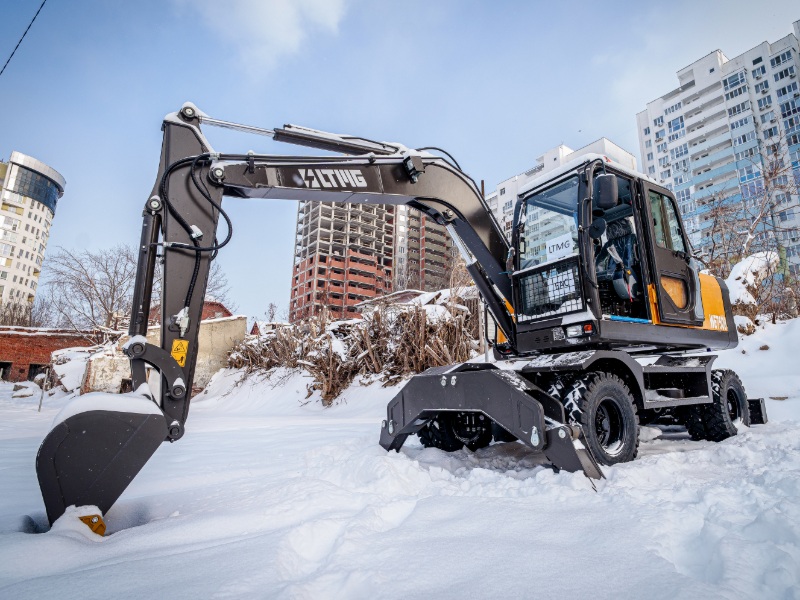
    Seiring dengan semakin efisien dan canggihnya konstruksi perkotaan, peralatan modern diharapkan mampu melakukan lebih dari sekadar penggalian dasar—peralatan tersebut juga harus memastikan perlindungan jalan, efisiensi operasional, dan mobilitas yang fleksibel. Akibatnya, ekskavator beroda telah menjadi pilihan penting untuk proyek konstruksi perkotaan dan lahan datar.Excavator beroda (atau excavator dengan roda) adalah mesin penggalian beroda karet yang menggabungkan kemampuan penggalian dengan pergerakan mandiri yang cepat dalam jarak pendek.Keunggulan utamanya meliputi:Kerusakan minimal pada jalan beraspalPerjalanan cepat antar lokasi kerjaMobilitas tinggi dan penempatan yang fleksibel.Kemampuan beradaptasi yang kuat terhadap permukaan perkotaan dan permukaan keras.Sebaliknya, ekskavator beroda rantai lebih cocok untuk medan yang kompleks seperti lumpur, tanah lunak, dan lingkungan pertambangan di mana stabilitas dan traksi lebih penting.Secara sederhana:Ekskavator beroda = Jalan perkotaan / pekerjaan kota / pergerakan frekuensi tinggiEkskavator beroda rantai = Penggalian tanah / pertambangan / medan beratArtikel ini menggunakan model LTMG tipikal (7 Ton, 15 Ton, 21 Ton) dari LTMG sebagai contoh untuk menganalisis logika aplikasi dunia nyata dan strategi pemilihan.Keunggulan Efisiensi Ekskavator BerodaNilai sebuah ekskavator beroda bukan hanya terletak pada "kemampuannya untuk melaju di jalan raya," tetapi juga kemampuannya untuk secara signifikan meningkatkan efisiensi konstruksi secara keseluruhan di lingkungan kerja tertentu.Aplikasi Teknik Jalan Perkotaan dan Kota1. Pemeliharaan dan Rekonstruksi JalanDi jalan raya perkotaan, jalan sekunder, dan jalan perumahan, perlindungan permukaan sangat penting. Ekskavator beroda menggunakan ban karet alih-alih roda rantai, sehingga mengurangi kerusakan pada permukaan aspal dan beton.Di lingkungan yang rawan lalu lintas, alat ini dapat dengan cepat bergerak masuk dan keluar dari zona kerja, meminimalkan gangguan bagi pengguna jalan.2. Perbaikan Utilitas dan DaruratUntuk saluran pipa bawah tanah seperti saluran pembuangan, kabel listrik, dan sistem gas, kondisi kerja seringkali meliputi:Titik kerja yang tersebarBatas waktu yang ketatSensitivitas lalu lintas tinggiEkskavator beroda yang dijual di armada pemerintah kota sangat dihargai karena dapat langsung berpindah antar lokasi kerja tanpa peralatan transportasi tambahan, sehingga sangat meningkatkan kecepatan respons darurat.3. Proyek Lansekap dan TamanDi taman, alun-alun, dan zona pejalan kaki, perlindungan permukaan sangat penting.Ekskavator beroda dapat melakukan operasi penggalian dan pemuatan tanpa merusak struktur lansekap yang sudah jadi seperti paving batu atau permukaan bata, sambil tetap mempertahankan kemampuan manuver yang tinggi.Lokasi Konstruksi dan Aplikasi Medan Datar1. Lokasi Konstruksi Multi-TitikDalam proyek pembaruan perkotaan atau proyek infrastruktur kecil, mesin seringkali perlu dipindahkan secara berkala antara beberapa lokasi.Excavator mini beroda atau excavator beroda ukuran sedang dapat bergerak langsung di dalam lokasi tanpa trailer, sehingga meningkatkan pemanfaatan peralatan.2. Permukaan Industri dan Permukaan yang DikeraskanDi kawasan industri, gudang, dan tempat pembuatan bangunan prefabrikasi, permukaan tanah biasanya berupa beton atau tanah yang dipadatkan.Ekskavator beroda (tipe roda) berkinerja baik dalam kondisi seperti itu dengan:Efisiensi perjalanan yang tinggiTidak ada kerusakan permukaan.Kemampuan pemuatan dan penanganan berkelanjutan3. Pekerjaan Penggalian Tanah Ringan hingga SedangDi tanah yang padat atau kering, ekskavator beroda dapat menangani penggalian parit, pemuatan, dan tugas penggalian dasar secara efisien. Dengan kaki penstabil yang dipasang dengan benar, mereka dapat mempertahankan stabilitas kerja yang cukup untuk sebagian besar aplikasi perkotaan.Panduan Pemilihan Model Ekskavator Beroda LTMGLTMG menawarkan berbagai macam ekskavator beroda yang dirancang untuk berbagai kebutuhan lokasi kerja, mulai dari pekerjaan kota yang ringkas hingga aplikasi industri tugas berat.Ekskavator Beroda Kompak 7 Ton (Fleksibilitas Perkotaan)Dirancang untuk jalanan sempit dan ruang terbatas, ekskavator beroda 7 ton ini berfokus pada mobilitas dan struktur yang kompak. Sangat ideal untuk pemeliharaan komunitas, penataan lanskap, dan proyek-proyek kota kecil.Contoh: Ekskavator Roda LTMG 7 TonParameter KinerjaEkskavator Roda LTMG 7 TonBerat Operasional7.000 kgKapasitas Ember0,21 m³Kedalaman Penggalian Maksimum3820 mmDaya Terukur62,5 kW / 2200 rpmKecepatan Perjalanan0-28 km/jam Excavator Roda Ukuran Sedang 15 Ton (Performa Seimbang)Ekskavator beroda 15 ton menawarkan keseimbangan antara daya gali dan mobilitas. Alat ini banyak digunakan dalam pekerjaan kota, lokasi industri, dan tugas pemindahan tanah skala menengah.Contoh: Ekskavator Roda LTMG 15 TonParameter KinerjaEkskavator Roda LTMG 15 TonBerat Operasional15000 kgKapasitas Ember0,6 m³Kedalaman Penggalian Maksimum5180 mmDaya Terukur110KW/2000RPM Excavator Beroda Tugas Berat 21 Ton (Produktivitas Tinggi)Ekskavator beroda 21 ton ini dirancang untuk penanganan material berat dan proyek konstruksi datar berskala besar.Performa perangkat ini sangat baik dalam hal:Penanganan material curahLokasi konstruksi besarOperasi pemuatan industriContoh: Ekskavator Roda LTMG 21 TonPedoman Keselamatan dan Perawatan Harian untuk Ekskavator BerodaDalam lingkungan kerja perkotaan dan dataran rendah, pengoperasian yang aman dan perawatan yang tepat pada ekskavator beroda dapat secara efektif memastikan stabilitas operasional dan memperpanjang masa pakai mesin.Keselamatan MengemudiKarena ekskavator beroda sering berpindah antar lokasi kerja di jalan beraspal, masalah pada ban, sistem pengereman, atau sistem kemudi dapat meningkatkan risiko tabrakan kecil atau kerusakan permukaan jalan. Oleh karena itu, perhatian khusus harus diberikan pada hal-hal berikut:Kondisi Ban: Periksa tekanan ban, keausan tapak ban, pola keausan yang tidak merata, dan tanda-tanda kerusakan secara berkala.Sistem Rem: Pastikan sistem pengereman merespons dengan cepat dan andal untuk meminimalkan risiko kecelakaan yang disebabkan oleh keterlambatan pengereman.Sistem Kemudi dan Pencahayaan: Pertahankan kinerja kemudi yang presisi dan pastikan jarak pandang yang memadai selama operasi malam hari atau di lingkungan kerja yang kompleks.Menjaga sistem transportasi dalam kondisi baik sangat penting bukan hanya untuk keselamatan peralatan, tetapi juga untuk meminimalkan dampak kegiatan konstruksi terhadap jalan umum dan lalu lintas di sekitarnya.Stabilitas OperasionalBerbeda dengan ekskavator beroda rantai, ekskavator beroda tidak secara alami memberikan tingkat stabilitas yang sama, dan pusat gravitasinya dapat bergeser lebih mudah selama pengoperasian. Sebelum melakukan penggalian, penanganan material, atau pengangkatan, operator harus mengambil tindakan pencegahan berikut:Bentangkan sepenuhnya penyangga atau mata pisau dozer: Buat beberapa titik tumpuan untuk meningkatkan stabilitas mesin.Pastikan Mesin dalam Posisi Rata: Jaga agar ekskavator tetap berada di permukaan yang stabil dan rata untuk mencegah pergeseran pusat gravitasi.Kontrol Jangkauan Kerja dan Kecepatan Ayunan: Hindari jangkauan yang berlebihan dan gerakan mengayun yang cepat untuk mengurangi risiko terjatuh.Saat bekerja di ruang terbatas atau di permukaan beraspal, praktik-praktik ini sangat penting tidak hanya untuk pengoperasian yang aman tetapi juga untuk mempertahankan tingkat akurasi dan produktivitas yang tinggi.Inspeksi Komponen UtamaKarena mobilitas excavator beroda yang tinggi, komponen-komponen penting umumnya memerlukan perawatan yang lebih sering daripada peralatan tradisional. Perhatian khusus harus diberikan pada sistem-sistem berikut:Sistem Gandar dan Transmisi: Periksa secara berkala level oli transmisi dan kondisi pelumasan untuk mencegah masalah yang berkaitan dengan transmisi.Sistem Hidrolik: Periksa saluran hidrolik, segel, dan kondisi selang, serta pantau kebersihan oli hidrolik untuk mencegah kebocoran dan kinerja yang lambat.Sistem Ban: Periksa keausan, penuaan, dan kondisi beban untuk mengurangi risiko kegagalan ban atau hilangnya traksi.Inspeksi preventif terhadap komponen-komponen kunci ini dapat secara efektif mengurangi waktu henti yang tidak terduga dan memastikan produktivitas lokasi kerja yang berkelanjutan.Rekomendasi Perawatan HarianUntuk memastikan pengoperasian peralatan yang stabil dalam jangka panjang, disarankan untuk membuat jadwal perawatan dasar:Inspeksi Harian: Periksa ban, lampu, dan sistem hidrolik untuk mengetahui adanya kelainan.Inspeksi Mingguan: Periksa sistem rem, penopang samping, dan titik-titik sambungan struktural utama.Perawatan Rutin: Ganti oli hidrolik, filter, dan pelumas transmisi sesuai interval yang direkomendasikan.Perawatan yang tepat secara signifikan meningkatkan waktu operasional mesin dan pengembalian investasi.KesimpulanPemilihan peralatan harus bergeser dari sekadar mempertimbangkan kekuatan ke pencocokan berdasarkan skenario. Di lingkungan seperti konstruksi perkotaan dan proyek permukaan keras dengan kebutuhan relokasi yang sering, ekskavator beroda merupakan pilihan strategis untuk meningkatkan efisiensi dan fleksibilitas.Baik Anda mencari excavator beroda, mini excavator beroda, atau excavator beroda untuk dijual, memilih tonase yang tepat berdasarkan skala proyek Anda adalah kunci untuk memaksimalkan produktivitas.Untuk detail mesin lebih lanjut, kunjungi halaman produk LTMG atau hubungi tim untuk solusi yang disesuaikan.Pertanyaan yang Sering DiajukanApa sebutan untuk ekskavator beroda?Ekskavator beroda umumnya disebut ekskavator roda atau ekskavator beroda rantai. Tidak seperti ekskavator beroda rantai, ekskavator ini menggunakan ban karet, sehingga memungkinkan perjalanan lebih cepat dan mobilitas lebih besar di jalan beraspal dan lokasi kerja perkotaan.Apa dua jenis ekskavator?Dua jenis ekskavator utama adalah:Ekskavator Beroda Rantai – Paling cocok untuk medan yang kasar, tanah berlumpur, dan penggalian berat.Ekskavator Beroda – Paling cocok untuk permukaan beraspal, konstruksi jalan, dan proyek yang membutuhkan pemindahan lokasi secara berkala.Apa saja kekurangan dari ekskavator beroda?Ekskavator beroda memiliki kemampuan dan stabilitas off-road yang lebih rendah dibandingkan ekskavator beroda rantai. Di tanah lunak atau tidak rata, mungkin diperlukan penstabil (outrigger) agar pengoperasiannya aman.Untuk apa ekskavator beroda digunakan?Ekskavator beroda umumnya digunakan untuk konstruksi jalan, proyek kota, instalasi utilitas, penataan lanskap, dan aplikasi perkotaan lainnya di mana mobilitas dan perpindahan lokasi kerja yang cepat sangat penting.Bagaimana cara memilih ekskavator beroda yang tepat untuk suatu lokasi proyek?Pilihlah mini excavator beroda (3–8 ton) untuk pekerjaan kecil, excavator beroda 8–15 ton untuk konstruksi umum, dan excavator beroda 15 ton ke atas untuk proyek pemindahan tanah dan penanganan material berskala besar.
  • Loader Skid Steer Beroda Rantai vs. Beroda: Memilih Mesin yang Tepat untuk Pekerjaan?
    Loader Skid Steer Beroda Rantai vs. Beroda: Memilih Mesin yang Tepat untuk Pekerjaan? May 29, 2026
    Loader skid steer adalah mesin konstruksi kompak yang serbaguna dan sangat efisien, banyak digunakan dalam pemeliharaan jalan, pelabuhan, pabrik, konstruksi kota, peternakan, dan banyak aplikasi lainnya. Dalam penggunaan praktis, kondisi kerja yang berbeda tidak hanya memengaruhi pemilihan mesin, tetapi juga secara langsung menentukan kesesuaian kapasitas operasi dan kinerja. Memilih model yang tepat sangat penting untuk meningkatkan efisiensi dan mengurangi biaya operasional.LTMG dapat memberikan panduan pemilihan skid steer loader dan solusi aplikasi praktis berdasarkan berbagai kebutuhan lokasi kerja, membantu pelanggan dengan cepat mencocokkan peralatan yang tepat untuk proyek mereka.Perbandingan Loader Skid Steer Crawler vs WheelLoader skid steer pada dasarnya dibagi menjadi loader skid steer beroda dan loader skid steer beroda rantai berdasarkan sistem penggeraknya. Dalam pemilihan mesin sebenarnya, tidak ada jenis yang benar-benar lebih baik daripada yang lain. Perbedaan utamanya terletak pada kemampuan adaptasinya terhadap kondisi medan dan intensitas beban kerja.Loader Skid Steer RodaKemampuan beradaptasi yang kuat dan pengoperasian yang fleksibel.Ideal untuk jalan beraspal, bengkel, gudang, pelabuhan, dan permukaan yang diperkeras.Kecepatan perjalanan dan efisiensi kerja yang lebih tinggi di permukaan datar.Loader Skid Steer CrawlerTraksi yang kuat dan stabilitas yang lebih tinggiCocok untuk tanah berlumpur, lahan basah, pantai, hutan, halaman rumput, dan medan lunak.Daya apung yang lebih baik dan tekanan tanah yang berkurang.Secara sederhana:Semakin kompleks medannya dan semakin berat beban kerjanya → pilihlah loader skid steer crawler.Semakin rata permukaan tanah, semakin tinggi kebutuhan efisiensinya → pilih loader skid steer beroda.Fitur Utama Loader Skid SteerBerkat strukturnya yang ringkas dan desain multifungsinya, skid steer loader dapat dengan mudah beradaptasi dengan berbagai lingkungan kerja yang kompleks.Desain yang Ringkas dan FleksibelUkuran mesin yang ringkas memungkinkan pengoperasian di ruang sempit atau terbatas.Kemudi Putar Nol 360°Radius putar yang sangat kecil memberikan kemampuan manuver yang sangat baik dan fleksibilitas di lokasi kerja.Kemampuan Multi-Aplikasi yang KuatMendukung penggantian cepat berbagai perlengkapan skid steer loader langsung di lokasi.Pengoperasian MudahSistem kontrol intuitif dengan kurva pembelajaran yang singkat, memungkinkan operator untuk cepat terbiasa dengan mesin.Efisiensi Kerja yang StabilMempertahankan efisiensi tinggi bahkan saat beralih antara beberapa tugas atau bekerja di ruang sempit. Rekomendasi Pemilihan Skid Steer Loader untuk Berbagai AplikasiDalam aplikasi dunia nyata, pemilihan skid steer loader bukan hanya tentang spesifikasi mesin, tetapi juga tentang kesesuaian dengan kondisi kerja, intensitas beban kerja, dan lingkungan medan.Berikut beberapa skenario aplikasi umum beserta solusi mesin yang direkomendasikan.Aplikasi Kerja Ringan dan Ringkas(Perkotaan / Lansekap / Dalam Ruangan / Penanganan Material Ringan)Kondisi Kerja KhasRuang kerja terbatas seperti area perkotaan, proyek dalam ruangan, dan taman.Sebagian besar permukaannya beraspal.Terutama digunakan untuk penanganan material, pemuatan, dan penataan lanskap.Siklus operasi yang sering dengan beban yang relatif ringanPersyaratan IntiFleksibilitasKemampuan manuverEfisiensi operasionalModel yang Direkomendasikan: Loader Skid Steer LTMG LT65Loader skid steer beroda ini memiliki kapasitas beban terukur 950 kg. Dengan kemudi yang fleksibel dan kecepatan gerak yang cepat, alat ini cocok untuk beralih dengan cepat antara tugas-tugas frekuensi tinggi di lingkungan kerja yang sempit.Berat Operasional: 3400 kgKapasitas Ember: 0,5 m³Loader Crawler Kecil untuk Medan Kompleks(Lumpur / Ruang Sempit / Konstruksi Ringan)Kondisi Kerja KhasTanah lunak, berlumpur, atau tidak stabilRuang operasi terbatasTerutama digunakan untuk konstruksi ringan, penanganan material, dan pekerjaan presisi.Persyaratan IntiKemampuan untuk dilewatiStabilitasKemampuan manuver yang ringkasModel yang Direkomendasikan: Loader Mini Beroda Rantai LTMG LTS23Loader skid steer crawler ini memiliki kapasitas beban terukur 300 kg. Loader ini memiliki struktur trek penggerak rendah dengan pusat gravitasi yang lebih rendah, sehingga memberikan stabilitas yang lebih baik di lereng. Struktur yang sederhana juga mengurangi biaya perawatan.Namun, karena sproket penggerak diposisikan lebih dekat ke tanah, lumpur dan kotoran dapat menumpuk lebih mudah, sehingga lebih cocok untuk lingkungan kerja yang relatif lebih bersih.Berat Operasional: 950 kgKapasitas Ember: 0,1 m³Aplikasi Operasi Berkelanjutan Tugas Berat(Konstruksi / Lokasi Proyek / Agregat / Pembongkaran)Kondisi Kerja KhasLingkungan konstruksi yang kompleks dengan lumpur, kerikil, dan medan yang tidak rata.Beban berat dan operasi intensitas tinggiBerbagai aplikasi seperti pemecahan, penggilingan, dan pemuatanPersyaratan IntiStabilitasKapasitas muatDaya tahanModel yang Direkomendasikan: Loader Skid Steer Track LTMG LTS125Loader skid steer crawler ini memiliki kapasitas beban terukur 1500 kg. Loader ini mengadopsi desain undercarriage penggerak tinggi, yang mengangkat sprocket penggerak menjauh dari lumpur dan area benturan, sehingga secara signifikan meningkatkan daya tahan sistem penggerak.Mesin ini menawarkan daya cengkeram yang lebih kuat dan kinerja yang lebih baik dalam kondisi kerja berlumpur yang berat. Namun, strukturnya lebih kompleks, sehingga mengakibatkan biaya produksi dan perawatan yang lebih tinggi.Berat Operasional: 4800 kgKapasitas Ember: 0,6 m³Perlengkapan Skid Steer: Satu Mesin untuk Berbagai AplikasiSalah satu keunggulan terbesar dari skid steer loader adalah kompatibilitasnya yang kuat dengan berbagai macam perlengkapan tambahan.Dengan mengganti berbagai perlengkapan untuk skid steer loader dengan cepat, satu mesin dapat menangani pemuatan, konstruksi, pembersihan, pekerjaan pertanian, dan banyak aplikasi lainnya, sehingga sangat meningkatkan pemanfaatan peralatan dan mencapai multifungsi yang sesungguhnya.Perlengkapan Umum untuk Skid Steer Loader① Perlengkapan Penanganan Material (Aplikasi yang Paling Umum)Cocok untuk operasi pemuatan dan penanganan material sehari-hari:Ember, alat tambahan garpu, ember kombinasi, ember penyaring, tombak jerami, garpu pupuk, dll.Lampiran garpugarpu pupukBale menusuk② Lampiran Konstruksi Kota & JalanCocok untuk pemeliharaan jalan, pembersihan, dan pekerjaan pembongkaran:Penyapu jalan, penyapu, mesin perata salju, mesin penggali parit, mesin pemotong salju, mesin peniup salju, pemecah es, pemecah es drum, pemecah es hidrolik, dll.Penyapu jalanPemecah es drumPemecah hidrolik③ Lampiran KonstruksiDirancang untuk meningkatkan fleksibilitas konstruksi dan mendukung berbagai fungsi pekerjaan:Mixer, lengan backhoe, bilah dozer, ember penyaring, perlengkapan mini excavator, dll.Pisau dozerLengan backhoeEmber penyaringan④ Perlengkapan Pertamanan & PertanianCocok untuk pertanian, penataan lanskap, dan pekerjaan persiapan lahan:Sekop pohon, ember penjepit, mesin pemotong rumput, mesin pengolah tanah putar, bor tanah, pemangkas pagar, dll.Mesin pemangkas pagarSekop pohonEmber penjepitMelalui berbagai kombinasi perlengkapan skid steer, loader skid steer tidak hanya dapat melakukan tugas pemuatan dan penanganan dasar, tetapi juga penggalian parit, penghancuran, penyapuan, pembersihan salju, penggalian, dan operasi pencampuran.Ini adalah salah satu keunggulan terbesar yang dimiliki loader skid steer dibandingkan banyak mesin konstruksi lainnya: satu mesin dapat menggantikan beberapa mesin dengan tujuan yang sama, sehingga secara signifikan mengurangi biaya investasi peralatan.KesimpulanKondisi kerja yang berbeda membutuhkan solusi skid steer loader yang berbeda pula. Skid steer loader tipe crawler lebih cocok untuk medan lunak dan operasi berat, sedangkan skid steer loader tipe roda menawarkan efisiensi yang lebih tinggi pada permukaan beraspal dan selama tugas penanganan material dengan frekuensi tinggi.Saat memilih mesin, pengguna harus mempertimbangkan hal-hal berikut secara komprehensif:Lingkungan kerjaPersyaratan bebanPerlengkapan loader skid steerAnggaranHanya dengan mencocokkan mesin dengan aplikasinya, nilai peralatan dan efisiensi operasional dapat dimaksimalkan.LTMG menyediakan berbagai macam konfigurasi skid steer loader yang mencakup berbagai kapasitas dan skenario aplikasi, membantu pelanggan dengan cepat menemukan solusi peralatan yang tepat.Klik untuk mempelajari lebih lanjut. 
  • Panduan Loader Backhoe: Aplikasi, Jenis & Perbandingan Model
    Panduan Loader Backhoe: Aplikasi, Jenis & Perbandingan Model May 29, 2026
    Lokasi konstruksi menghadapi tugas-tugas yang kompleks dan jadwal yang ketat. Mengandalkan satu mesin tradisional seringkali menyulitkan untuk menyeimbangkan efisiensi, fleksibilitas, dan stabilitas. Dengan kinerja penggalian dan pemuatan yang andal, backhoe loader telah menjadi peralatan yang banyak digunakan dalam proyek-proyek kota, pekerjaan konstruksi, penataan lanskap, dan operasi pertanian.Artikel ini memberikan gambaran lengkap tentang loader backhoe LTMG yang dijual, dengan fokus pada model-model khas LTMG, termasuk fitur struktural, perbedaan model, keunggulan utama, dan saran pemilihan praktis untuk membantu Anda memilih mesin yang tepat untuk kondisi kerja Anda.Apa Itu Backhoe Loader?A Backhoe wheel loader adalah mesin konstruksi serbaguna yang menggabungkan bucket loader depan dengan lengan excavator belakang.Bucket depan terutama digunakan untuk memuat, mengangkut tanah, kerikil, atau material konstruksi, sedangkan backhoe belakang dirancang untuk penggalian parit, penggalian tanah, dan operasi penggalian ringan. Berkat desain dwifungsi ini, backhoe loader dapat secara efisien menangani berbagai tugas di satu lokasi kerja, menjadikannya peralatan penting untuk konstruksi kota, proyek bangunan, dan pekerjaan lansekap.Aplikasi Umum Loader BackhoeMKonstruksi kotaPemeliharaan jalanPemasangan pipaPenggalian parit utilitas Konstruksi BangunanPekerjaan penggalian tanah untuk pabrik batu bataPenanganan materialPekerjaan penggalian ringan Pertamanan & PertanianMenggali parit drainasePengangkutan tanahOperasi perataan lahanDalam aplikasi ini, backhoe loader dapat melakukan tugas penggalian, pemuatan, dan pengangkutan dengan satu mesin, sehingga meningkatkan efisiensi lokasi kerja dan mengurangi biaya peralatan.Keunggulan Utama Loader Backhoe LTMGLoader backhoe LTMG menghadirkan kinerja yang andal di berbagai lingkungan konstruksi melalui keunggulan-keunggulan berikut:1. Sistem Penggerak yang AndalDilengkapi dengan mesin WP4G95E221 (mesin Cummins opsional), mesin ini memberikan cadangan daya yang cukup dengan kebisingan rendah, konsumsi bahan bakar yang berkurang, dan kinerja emisi yang sesuai. Mesin ini dipadukan dengan sistem transmisi Carraro buatan Italia, yang menawarkan konfigurasi 2WD atau 4WD opsional. Dikombinasikan dengan pengunci diferensial dan sistem pengereman basah, mesin ini memastikan kinerja penggerak yang stabil dan traksi yang kuat dalam berbagai kondisi kerja.2. Pengoperasian Efisien & Perpindahan Gigi yang MudahSistem transmisi sinkronisasi empat kecepatan impor memungkinkan perpindahan gigi maju dan mundur elektro-hidraulik tanpa kopling, sehingga pengoperasian menjadi lebih mudah dan lancar. Sistem kopling hidraulik dan tombol pelepasan memungkinkan pergantian gigi yang cepat sesuai dengan kondisi jalan, sehingga meningkatkan efisiensi siklus kerja secara keseluruhan.3. Kontrol Hidraulik yang PresisiSistem hidrolik pusat terbuka yang dikombinasikan dengan pompa tunggal roda gigi efisiensi tinggi memastikan operasi penggalian yang lancar, responsif, dan presisi. Sistem ini juga mendukung alat tambahan seperti pemecah hidrolik, meningkatkan fleksibilitas mesin untuk berbagai kebutuhan pekerjaan.4. Keselamatan & Kenyamanan OperatorSistem pengereman basah bebas perawatan dan pengunci diferensial meningkatkan keselamatan dan keandalan operasional. Kabin ROPS yang tertutup sepenuhnya menyediakan lingkungan kerja yang luas dengan visibilitas menyeluruh yang sangat baik, memastikan kenyamanan dan keselamatan operator selama jam kerja yang panjang.5. Kinerja Perjalanan yang Sangat BaikDengan konfigurasi 4 gigi maju dan 4 gigi mundur, mesin ini dapat mencapai kecepatan jelajah maksimum lebih dari 40 km/jam, memungkinkan pergerakan cepat antar lokasi proyek. Sistem kontrol ergonomis mengurangi tenaga operator dan beradaptasi dengan baik terhadap berbagai ritme kerja konstruksi.Penstabil Tipe H vs Penstabil SampingSaat memilih backhoe loader, struktur penopang (outrigger) secara langsung memengaruhi stabilitas penggalian, fleksibilitas, dan efisiensi lokasi kerja.Penstabil Tipe HPenstabil tipe H memiliki fungsi pergeseran samping, memungkinkan lengan backhoe bergerak ke samping tanpa perlu memposisikan ulang mesin. Setelah lengan penggalian ditarik, mesin menempati ruang yang lebih sedikit, sehingga ideal untuk lokasi kerja yang sempit dan lingkungan kerja yang terbatas.Namun, dibandingkan dengan penstabil samping, penstabil samping tipe H menawarkan kekakuan struktural yang sedikit lebih rendah.Cocok untuk:Area konstruksi yang sempitPenggalian di sisi dindingOperasi penggalian parit offsetPenstabil SampingPenyangga penstabil memberikan kekakuan yang lebih kuat dan stabilitas penggalian yang lebih baik, sehingga cocok untuk konstruksi kota, pekerjaan jalan, dan penggalian tugas berat.Kelemahannya adalah berkurangnya fleksibilitas di ruang sempit karena menempati area operasi yang lebih besar dan tidak mendukung fungsi pergeseran samping.Cocok untuk:Penggalian tugas beratOperasi yang berlangsung lamaKonstruksi jalan dan kota standarCara Memilih Backhoe Loader yang TepatRuang sempit dan penggalian parit yang fleksibel → Penyangga tipe HPenggalian tugas berat yang stabil dan jam kerja yang panjang → Penstabil sampingPerbandingan Model Loader Backhoe LTMGBerbagai model backhoe loader sangat berbeda dalam hal struktur rangka, stabilitas penggalian, jangkauan operasi, dan kesesuaian aplikasi. Memahami perbedaan ini membantu meningkatkan akurasi pemilihan peralatan.ModelWZ30-25BLT388H-IBLT388H-IIBLT388H-IIIFitur UtamaRangka kompak, radius putar kecilPergeseran samping + struktur teleskopikRangka kaku terintegrasiLengan backhoe teleskopikAplikasi TerbaikPekerjaan kota kecil dan pertanianKonstruksi sisi dinding dan pipaProyek-proyek kota dan pekerjaan pemindahan tanah standarOperasi penggalian parit dalam dan jangkauan jauh.Keunggulan UtamaKemampuan manuver yang kuat di ruang sempit.Sesuaikan posisi penggalian tanpa memindahkan mesin.Stabilitas penggalian yang lebih kuatKedalaman penggalian dan radius kerja yang lebih besarKeterbatasanTidak ideal untuk penggalian berat secara terus menerus.Membutuhkan ruang operasi yang lebih luasTidak ada pergeseran samping atau lengan teleskopik.Struktur yang lebih kompleks dan mesin yang lebih berat.Rekomendasi Pemilihan ModelLTMG WZ30-25 → Ekskavator serbaguna ekonomis dijual, cocok untuk konstruksi ringan dan lokasi kerja yang kompak.LTMG BLT388H-I → Dirancang untuk operasi presisi di ruang sempit, terutama di sisi dinding dan konstruksi utilitas.LTMG BLT388H-III → Loader backhoe jangkauan panjang yang disempurnakan, cocok untuk penggalian parit dalam dan aplikasi dengan jangkauan kerja yang lebih luas.LTMG BLT388H-II → Loader backhoe teknik standar untuk proyek-proyek kota dan pekerjaan konstruksi umum.Lampiran & Peningkatan Kemampuan KerjaLoader backhoe LTMG mendukung berbagai perlengkapan tambahan, memungkinkan satu mesin untuk melakukan berbagai tugas konstruksi secara efisien.Lampiran UmumPemecah HidrolikAplikasi:Digunakan untuk menghancurkan tanah keras, beton, atau bebatuan, sehingga ideal untuk proyek renovasi jalan kota dan pembongkaran bangunan.Tips Pengoperasian:Jaga agar alat pemecah beton tetap vertikal selama pengoperasian dan hindari benturan miring. Periksa tekanan hidrolik sebelum digunakan.Keuntungan:Lebih efisien daripada metode pembongkaran manual dan mampu menyelesaikan pembongkaran material keras dalam waktu singkat.Garpu Rumput / Penjepit KayuAplikasi:Cocok untuk menangani material lansekap, kerikil, kayu, dan limbah konstruksi.Tips Pengoperasian:Tekan alat penjepit dengan lembut ke material sebelum mengangkatnya. Pastikan beban terpegang dengan aman dan hindari kelebihan beban.Keuntungan:Mengurangi pekerjaan manual sekaligus meningkatkan kecepatan kerja dan stabilitas operasional.Penggali paritAplikasi:Digunakan untuk penggalian parit dalam instalasi pipa air, pemasangan kabel, dan proyek drainase. Lebar dan kedalaman parit dapat disesuaikan sesuai dengan kebutuhan proyek.Tips Pengoperasian:Gerakkan secara perlahan mengikuti garis lurus atau lengkung untuk menjaga agar parit tetap rata. Untuk kondisi tanah yang keras, alat ini dapat digunakan bersamaan dengan pemecah hidrolik.Keuntungan:Memberikan akurasi penggalian parit yang tinggi, kecepatan konstruksi yang lebih cepat, dan mengurangi pekerjaan perataan di kemudian hari.Ember (Tersedia Berbagai Ukuran)Aplikasi:Cocok untuk pekerjaan pemindahan tanah, pemuatan material, pengangkutan, dan penggalian. Berbagai ukuran dan lebar bucket dapat dipilih berdasarkan kebutuhan beban kerja.Tips Pengoperasian:Pilih ukuran bucket yang sesuai dan hindari pengisian berlebih. Jaga kelancaran pengoperasian saat menangani tanah, kerikil, atau bebatuan.Keuntungan:Sangat fleksibel untuk berbagai tugas pemindahan tanah dan meningkatkan efisiensi siklus kerja secara keseluruhan.Sistem Pengait Cepat (Dukungan Pemasangan)Fpemberian minyak suci:Menyediakan antarmuka standar yang memungkinkan berbagai lampiran dipasang dan dilepas dengan cepat dan efisien.Tips Pengoperasian:Matikan sistem hidrolik sebelum mengganti perlengkapan untuk memastikan keamanan. Setelah pemasangan, periksa apakah semua sambungan hidrolik terpasang dengan aman.Keuntungan:Secara signifikan mengurangi waktu henti, meningkatkan kontinuitas operasional, dan memungkinkan satu backhoe loader untuk menangani berbagai tugas konstruksi.Dengan merencanakan kombinasi alat tambahan dan urutan penggunaan terlebih dahulu, backhoe loader LTMG dapat melakukan operasi penghancuran, penggalian parit, pemuatan, dan penanganan material di lokasi kerja yang sama sambil mempertahankan efisiensi tinggi dan memperpanjang umur pakai mesin.KesimpulanMemilih backhoe loader yang tepat sangat penting untuk meningkatkan efisiensi konstruksi dan keselamatan operasional. Dengan memilih model, konfigurasi penstabil, dan perlengkapan yang sesuai dengan kondisi lokasi kerja dan kebutuhan beban kerja, kontraktor dapat memaksimalkan produktivitas sekaligus mengurangi biaya operasional.LTMG menyediakan layanan yang andal. Loader backhoe dijual untuk berbagai macam aplikasi, mulai dari konstruksi kota hingga proyek pertanian dan lansekap. Untuk rekomendasi peralatan profesional dan solusi yang disesuaikan, hubungi tim LTMG Hari ini.Pertanyaan yang Sering DiajukanApa perbedaan antara backhoe dan...? pemuat?Backhoe loader menggabungkan lengan ekskavator belakang dengan bucket loader depan, sehingga memungkinkan alat ini untuk melakukan tugas penggalian dan penanganan material. Wheel loader terutama berfokus pada pemuatan dan pengangkutan material seperti tanah, kerikil, dan puing-puing.Apa itu penggali vs backhoe?Ekskavator adalah mesin penggali khusus dengan daya gali yang kuat dan kemampuan penggalian yang dalam, sehingga cocok untuk proyek pemindahan tanah skala besar dan konstruksi berat. Backhoe loader lebih ringkas, fleksibel, dan serbaguna, menggabungkan fungsi penggalian dan pemuatan, sehingga ideal untuk lokasi kerja berukuran kecil hingga menengah dan kondisi kerja multiguna.
  • Panduan Pemilihan Excavator Crawler: Bagaimana Memilih Ukuran Excavator yang Tepat untuk Proyek Anda?
    Panduan Pemilihan Excavator Crawler: Bagaimana Memilih Ukuran Excavator yang Tepat untuk Proyek Anda? May 21, 2026
    Dalam proyek konstruksi, pemahaman tentang jenis-jenis excavator sangat penting sebelum memilih excavator crawler yang tepat. Pemilihan tidak ditentukan oleh satu parameter saja. Hal ini membutuhkan evaluasi komprehensif terhadap skala proyek, intensitas kerja, dan efisiensi operasional. Ukuran mesin yang berbeda sangat bervariasi dalam hal stabilitas, kapasitas penggalian, dan kinerja kerja berkelanjutan, yang secara langsung berdampak pada hasil konstruksi dan efisiensi biaya.Berdasarkan aplikasi teknik di dunia nyata, LTMG mengklasifikasikan excavator crawler ke dalam empat kategori tonase utama, mencakup semuanya mulai dari model kompak hingga mesin konstruksi besar, membantu pengguna mencocokkan peralatan yang tepat secara lebih intuitif.Parameter Teknis Inti dari Ekskavator CrawlerSaat memilih mesin excavator crawler, klasifikasi tonase ditentukan oleh beberapa parameter teknis utama. Faktor-faktor ini secara langsung memengaruhi kinerja, efisiensi, dan jangkauan aplikasi.Berat OperasionalBerat operasional mengacu pada berat total ekskavator dalam kondisi kerja standar. Berat ini menentukan stabilitas mesin dan kapasitas beban. Secara umum, semakin tinggi berat operasional, semakin stabil kinerja ekskavator dalam kondisi beban berat.Tenaga MesinDaya mesin menentukan keluaran energi dari sistem tenaga ekskavator, biasanya diukur dalam kW atau HP. Hal ini secara langsung memengaruhi efisiensi kerja di bawah beban dan menentukan apakah mesin dapat mempertahankan kinerja yang stabil selama operasi berjam-jam.Kapasitas EmberKapasitas bucket mengacu pada volume material yang dapat ditangani oleh bucket excavator dalam satu siklus, diukur dalam meter kubik (m³). Ini adalah salah satu indikator produktivitas terpenting dalam spesifikasi excavator. Bucket yang lebih besar meningkatkan efisiensi tetapi membutuhkan dukungan struktural dan tenaga mesin yang lebih kuat.SpesifikasiEkskavator Crawler 1,5-7,5 TonEkskavator Crawler 23-38 TonBerat Operasional1.500 kg-7.500 kg23.000 kg - 38.000 kgKapasitas Ember0,025 m³-0,28 m³1,1 m³–1,9 m³Daya/Kecepatan Terukur10,2 kW / 2500 rpm-42,2 kW / 2000 rpm124kW / 2050 rpm - 219 kW / 1900 rpmGambar ProdukDari perbandingan parameter, jelas bahwa ukuran excavator crawler yang berbeda bukan sekadar peningkatan angka, tetapi konfigurasi yang disesuaikan dengan tuntutan kerja yang berbeda.Berat operasi berkorelasi positif dengan kapasitas bucket. Seiring bertambahnya tonase, kekuatan dan stabilitas struktural meningkat, memungkinkan kapasitas bucket yang lebih besar dan produktivitas yang lebih tinggi per siklus.Tenaga mesin meningkat seiring dengan peningkatan tonase, sementara kecepatan mesin menurun. Excavator kecil biasanya menggunakan mesin berkecepatan tinggi dan berdaya rendah (misalnya 2500 rpm) untuk respons yang lebih cepat dan fleksibilitas, cocok untuk pekerjaan ringan dan presisi. Excavator besar menggunakan mesin berkecepatan rendah dan torsi tinggi (misalnya 1900 rpm) untuk memastikan output yang stabil untuk operasi tugas berat dan berkelanjutan. Jenis-Jenis Excavator Crawler dan Skenario AplikasinyaEkskavator Mini Beroda Rantai (0,8–3,5T)Excavator mini beroda rantai terutama digunakan di ruang terbatas dan tugas penggalian ringan di mana tenaga kerja manual tidak efisien atau tidak mungkin dilakukan. Alat ini juga banyak digunakan dalam penggalian ruang sempit, di mana ruang kerja sangat terbatas dan penggalian presisi diperlukan.Aplikasi umum:Lokasi konstruksi yang sempit atau terbatasPenggalian dangkal di dekat struktur yang sudah ada.Pekerjaan berkebun, pertanian, dan penataan lanskap.Keterbatasan:Efisiensi lebih rendah pada tanah padat.Tidak cocok untuk penggalian skala besar atau pembebanan terus menerus.Oleh karena itu, mesin dengan kapasitas ini bukanlah mesin serbaguna, melainkan peralatan tipe alat yang dirancang untuk menggantikan tenaga kerja manual atau mesin kecil dalam kondisi kerja yang terbatas.Alat ini umumnya digunakan untuk perawatan kebun dan operasi pertanian atau perkebunan.Pada tahap ini, model LTMG 0,8–3,5T diposisikan untuk memastikan mereka dapat “mengakses ruang sempit dan menyelesaikan tugas-tugas dasar secara efisien.”Ekskavator Crawler LTMG 1,5 TonEkskavator Crawler Kecil hingga Sedang (6,5–13,5T)Ini adalah kategori yang paling umum digunakan di pasar mesin excavator.Aplikasi umum:Penggalian pondasiKonstruksi pipa kotaSiklus pemuatan dan penimbunan tanahDibandingkan dengan model mini, seri ini mendukung pengoperasian terus menerus tanpa penurunan kinerja yang sering terjadi.Namun, keterbatasan muncul dalam hal:Efisiensi pemuatan skala besarPenggalian dalam pada tanah dengan kepadatan tinggiAlat berat ini umumnya digunakan untuk membangun fondasi, teknik sipil, dan pekerjaan pemindahan tanah umum, menjadikannya salah satu jenis mesin konstruksi utama yang paling banyak digunakan.Untuk model LTMG 6.5T–13.5T, prioritas desain dalam rentang ini adalah output yang stabil, bukan kinerja siklus tunggal maksimum.Ekskavator Crawler 7,5 tonEkskavator Crawler Sedang (15–23,5T)Pada tahap ini, mesin bertransisi dari alat serbaguna menjadi mesin ekskavator yang berfokus pada produksi.Aplikasi umum:Pekerjaan pemindahan tanah bervolume besarProyek konstruksi industriPenggalian berkelanjutan jangka panjangPerbedaan utama dibandingkan dengan peralatan berukuran kecil dan menengah adalah:Excavator berukuran lebih kecil lebih cenderung mengalami fluktuasi efisiensi selama pengoperasian terus menerus.Rentang tonase ini dapat mempertahankan efisiensi siklus yang stabil.Namun, keterbatasannya meliputi:Fleksibilitas yang lebih rendah untuk operasi yang sangat presisi.Kemampuan manuver yang berkurang di ruang terbatas.Oleh karena itu, inti dari kelas ini adalah menukar fleksibilitas dengan produktivitas skala besar.Alat ini umumnya digunakan dalam konstruksi pondasi skala besar, proyek industri, dan tugas pemindahan tanah berkelanjutan, sehingga cocok untuk operasi dengan intensitas sedang hingga tinggi.Model LTMG 15T–23.5T dirancang untuk memprioritaskan output yang stabil daripada kemampuan adaptasi multiguna.Ekskavator Crawler 23 tonEkskavator Perayap Besar (24 Ton ke Atas)Ekskavator perayap besar dirancang untuk produktivitas pemindahan tanah yang maksimal.Aplikasi umum:Operasi penambanganProyek infrastruktur besarPenggalian kontinu tugas beratKeuntungan:Kapasitas penggalian yang sangat tinggiPengoperasian stabil dalam jangka waktu lama.Produktivitas tinggi per siklusKeterbatasan:Membutuhkan ruang kerja yang lebih besarMobilitas lebih rendahPersyaratan persiapan lahan yang lebih tinggiOleh karena itu, inti dari rentang tonase ini adalah mengorbankan fleksibilitas demi produktivitas yang berkelanjutan.Alat ini umumnya digunakan dalam pertambangan, pengerjaan tanah skala besar, dan skenario operasi berkelanjutan tugas berat, dengan menekankan produktivitas tinggi dan hasil yang stabil dalam jangka panjang.Model LTMG 24 Ton dan di atasnya dirancang terutama untuk proyek-proyek tugas berat dengan tuntutan produksi berkelanjutan. Ekskavator Crawler 60 ton KesimpulanLTMG menawarkan berbagai macam ekskavator crawler, mulai dari 0,8 ton hingga 24+ ton, yang mencakup semua skenario konstruksi utama. Baik Anda membutuhkan ekskavator crawler mini untuk ruang sempit atau model besar untuk pekerjaan pemindahan tanah berat, memilih ukuran ekskavator crawler yang tepat memastikan efisiensi, stabilitas, dan pengendalian biaya yang lebih baik.Untuk spesifikasi detail atau rekomendasi model, LTMG dapat menyediakan solusi yang disesuaikan berdasarkan kebutuhan proyek Anda.Pertanyaan yang Sering Diajukan Apa itu crawler pada excavator?Istilah "crawler" merujuk pada sistem roda rantai di bagian bawah ekskavator. Dibandingkan dengan roda, ekskavator crawler memiliki area kontak dengan tanah yang lebih besar, sehingga meningkatkan stabilitas dan traksi di medan lunak atau tidak rata seperti lumpur, pasir, dan kerikil. Berapa harga ekskavator perayap?Biaya sebuah Ekskavator perayap bergantung pada tonase, konfigurasi, sistem mesin, dan komponen hidrolik. Secara umum, model yang lebih kecil lebih terjangkau, sedangkan mesin yang lebih besar dengan sistem daya yang lebih tinggi jauh lebih mahal. Apa perbedaan antara excavator beroda dan excavator beroda rantai?Excavator beroda menawarkan mobilitas yang lebih cepat dan cocok untuk konstruksi jalan perkotaan dan pemindahan yang sering. Sebaliknya, mesin excavator beroda rantai memberikan stabilitas yang lebih baik dan ideal untuk lokasi konstruksi, penggalian tanah, dan medan yang tidak rata.
  • Panduan Pemilihan Ekskavator untuk Lokasi Pembongkaran Bangunan
    Panduan Pemilihan Ekskavator untuk Lokasi Pembongkaran Bangunan May 20, 2026
    Dalam proyek pembongkaran bangunan, tugas-tugas sering kali melibatkan penghancuran dan pembongkaran dinding beton, struktur bertulang, dan bangunan bata. Lingkungan kerja kompleks, dan ruang seringkali terbatas. Memilih mesin excavator yang tepat sangat penting. Model yang tepat tidak hanya dapat menyelesaikan tugas pembongkaran secara efisien tetapi juga memastikan stabilitas dan keamanan operasional, sekaligus membantu tim mengoptimalkan jadwal dan biaya konstruksi untuk menyelesaikan proyek dengan lancar.Berdasarkan pengalaman profesional LTMG di bidang peralatan konstruksi, kami menyediakan analisis pemilihan excavator untuk berbagai jenis lokasi pembongkaran. Karakteristik Lokasi PembongkaranLokasi pembongkaran bangunan bervariasi tergantung pada lingkungan konstruksi dan kondisi kerja. Setiap jenis lokasi memiliki persyaratan yang berbeda untuk jenis ekskavator.Pembongkaran Bangunan Tua PerkotaanKondisi Kerja:Kompleks perumahan atau bangunan tua di sepanjang jalanKarakteristik:Ruang terbatas dan rotasi mesin yang dibatasiTanah seringkali tertutup oleh batu bata dan puing-puing beton.Untuk lokasi seperti itu, ekskavator perayap kecil atau menengah lebih disukai karena fleksibilitasnya di ruang terbatas.Pembongkaran Pabrik IndustriKondisi KerjaPabrik berstruktur baja atau bengkel betonKarakteristikBlok beton besar dan pekerjaan berkelanjutan dengan intensitas tinggi.Pilihlah mesin excavator yang bertenaga dan stabil yang mampu menangani operasi berat dan berkelanjutan.Pemeliharaan Pertanian dan Kebun BuahKondisi KerjaPenggalian parit di kebun, penggalian lubang pohon, pemasangan pagar pertanian.KarakteristikRuang terbatasPersyaratan presisi tinggiAttachment excavator kompak berkapasitas kecil lebih disukai karena akurasi dan kemampuan manuvernya yang lebih baik.Pembongkaran Jalan/Jembatan KotaKondisi KerjaPerbaikan permukaan jalan dan pembongkaran sebagian jembatanKarakteristikTanah yang mengerasTitik kerja yang tersebarSejumlah besar puing-puing yang tidak beraturanExcavator beroda sangat ideal untuk skenario ini, karena menyediakan mobilitas yang efisien antar beberapa titik kerja. Pemilihan Ekskavator untuk Pembongkaran (Crawler / Roda / Tonase)Perbedaan ruang, jenis tanah, dan intensitas kerja secara langsung menentukan jenis dan tonase mesin excavator. Berdasarkan faktor-faktor tersebut, berikut adalah panduan rinci untuk memilih model yang tepat.Jenis Ekskavator dan Adaptasi TanahPertama, Anda dapat menentukan tipe pergerakan ekskavator berdasarkan kondisi kerja aktual Anda, yang merupakan langkah pertama dalam pemilihan peralatan.Ekskavator Beroda RantaiAlat ini memiliki area kontak dengan tanah yang lebih besar, sehingga memberikan stabilitas yang lebih baik dan memungkinkan untuk beroperasi di tanah berlumpur atau di ladang.Roda rantai ekskavator crawler biasanya dapat dikonfigurasi sesuai dengan kebutuhan operasional, dan terutama dibagi menjadi tiga jenis: roda rantai baja, roda rantai karet, dan roda rantai kombinasi yang dapat dipasangi bantalan karet.Rel Baja: Tahan lama dan memiliki daya cengkeram tinggi; cocok untuk medan berlumpur atau berbatu tetapi dapat merusak permukaan beraspal.Trek Karet: Nyaman di jalan; cocok untuk daerah perkotaan.Track Karet-Baja yang Dapat Dilepas: Menggabungkan kemampuan off-road dengan perlindungan permukaan jalan.Rel BajaTrek KaretTrack Karet-Baja yang Dapat DilepasEkskavator RodaAlat ini cocok untuk lingkungan kerja khusus; dengan kecepatan geraknya yang cepat, alat ini ideal untuk pembongkaran di perkotaan dan operasi di banyak lokasi.Rekomendasi Tonase EkskavatorPembongkaran Perkotaan / Proyek KotaUntuk jalan-jalan kota yang tersebar atau lokasi renovasi, ekskavator beroda lebih menguntungkan.Ekskavator Beroda 8 TonExcavator roda LTMG 8 ton standar sangat cocok untuk pembongkaran perkotaan dan operasi multi-lokasi. Dilengkapi dengan mesin WP2.3N, menghasilkan daya nominal 55,4 kW, memastikan kinerja yang stabil bahkan dalam kondisi tugas berat. Dengan ketinggian penggalian maksimum 6.380 mm dan ketinggian pembuangan maksimum 4.700 mm, excavator ini menawarkan keunggulan signifikan dalam pembongkaran jangkauan tinggi dan pemuatan material. Excavator ini dapat dengan cepat memasuki lokasi kerja dan menyelesaikan tugas secara efisien.[Lihat Detail Produk Lainnya] Pembongkaran Bangunan/Pabrik TuaUntuk blok beton besar dan medan yang tidak rata, ekskavator beroda rantai menawarkan stabilitas yang lebih baik.Ekskavator Crawler Hidraulik 13,5 tonExcavator crawler medium LTMG 13,5 ton dilengkapi dengan mesin ISUZU 4JJ1, menghasilkan daya nominal 73 kW. Dibandingkan dengan model roda, excavator ini menawarkan daya yang jauh lebih tinggi, sehingga lebih cocok untuk kondisi tanah keras atau operasi tugas berat. Excavator ini memiliki gaya penggalian bucket maksimum 91 kN dan gaya penggalian lengan 55 kN, memastikan kinerja penggalian yang kuat.[Lihat Detail Produk Lainnya] Pembongkaran Dalam Ruangan / Ruang KecilRuang sempit membutuhkan model yang ringkas dan dapat berputar di tempat.Ekskavator kecil LTMG 3,5 ton memiliki lebar keseluruhan hanya 1.755 mm, sehingga mudah melewati sebagian besar jalur akses konstruksi. Pada saat yang sama, ia menawarkan kedalaman penggalian maksimum 3.208 mm, menggabungkan ukuran yang kompak dengan fungsionalitas yang kuat.Ekskavator Kecil Beroda Rantai 3,5 Ton[Lihat Detail Produk Lainnya]Perlengkapan Ekskavator untuk Berbagai Tugas PembongkaranEfisiensi mesin ekskavator tidak hanya bergantung pada modelnya, tetapi juga pada pemilihan alat tambahan ekskavator yang tepat. Berbagai alat tambahan, termasuk sistem ekskavator roda ember dalam aplikasi skala besar, cocok untuk tugas yang berbeda, yang secara langsung memengaruhi kecepatan dan biaya konstruksi.Berbagai jenis alat tambahan cocok untuk berbagai tugas pembongkaran, dan pemilihan yang tepat dapat secara signifikan meningkatkan efisiensi dan keselamatan:Lampiran Umum:Penjepit Batu/Besi Bekas yang BerputarAplikasiTerutama digunakan untuk mengambil marmer dan material batu lainnya, besi tua, serta untuk operasi pembersihan, penanganan, dan penyortiran/pemuatan limbah.Sorotan TeknisKeamanan yang sangat baik: Dilengkapi dengan motor M+S dengan fungsi pengereman, dan silinder hidrolik yang dilengkapi katup penyeimbang keselamatan SUN dari Amerika Serikat.Kustomisasi fleksibel: Konfigurasi cakar dapat dikustomisasi dengan jumlah gigi yang berbeda seperti 3+2, 4+3, atau 5+4 sesuai kebutuhan.Penjepit Kulit JerukAplikasiBanyak digunakan dalam daur ulang logam bekas, penanganan limbah, dan pembongkaran bangunan di lingkungan kerja yang kompleks.Sorotan TeknisBahan yang tahan lama: "Kelopak" terbuat dari pelat baja tahan aus berkekuatan tinggi (NM400–500). Semua pin diberi perlakuan panas dan dikeraskan untuk memastikan struktur yang kuat dan tahan lama.Beragam model: Tersedia dalam berbagai ukuran, cocok untuk ekskavator mulai dari 1 ton hingga 36 ton.Pengoperasian fleksibel: Fungsi rotasi 360° opsional meningkatkan presisi dan fleksibilitas dalam penanganan dan penempatan material.Pemecah HidrolikAplikasiDirancang untuk operasi tugas berat seperti pembongkaran, konstruksi, penggalian, dan pertambangan.Sorotan TeknisProses manufaktur inti: Badan silinder dan katup utama dikerjakan dengan mesin presisi untuk mencegah goresan, dan piston dicocokkan secara akurat satu banding satu dengan silinder bagian dalam.Kompatibilitas luas: Dapat dipasang pada berbagai mesin pengangkut seperti excavator beroda rantai dan beroda, skid steer loader, dan crane.Memilih perlengkapan yang tepat dapat mempercepat pekerjaan dan mengurangi keausan peralatan.KesimpulanSaat memilih mesin ekskavator untuk pembongkaran:Kondisi lokasi menentukan jenisnya.Intensitas menentukan tonase.Efisiensi bergantung pada perlengkapan tambahan.Kombinasi yang tepat meningkatkan efisiensi dan mengurangi biaya. Jika Anda ragu tentang model atau kombinasi perlengkapan yang optimal, hubungi kami untuk mendapatkan saran pemilihan secara personal. Kami akan merekomendasikan solusi peralatan yang disesuaikan dengan skenario konstruksi Anda.[Hubungi kami] Pertanyaan yang Sering Diajukan (FAQ)Apa itu excavator crawler?A Ekskavator crawler menggunakan trek untuk mobilitas, menawarkan stabilitas yang lebih besar dan area kontak tanah yang lebih luas. Ekskavator ini ideal untuk medan yang kompleks seperti puing-puing, blok beton, dan tanah lunak dibandingkan dengan ekskavator roda.Bagaimana cara memilih ekskavator untuk pembongkaran bangunan?Permukaan tanah kompleks (beton, puing, tanah lunak) → ekskavator perayapJalan perkotaan atau konstruksi multi-titik → ekskavator roda untuk mobilitas yang efisienRuang tertutup atau dalam ruangan → Kapasitas kecil perlengkapan ekskavator kompakPemilihan yang tepat meningkatkan efisiensi dan mengurangi keausan peralatan serta biaya.Excavator jenis apa yang digunakan untuk demonstrasi?Ekskavator Beroda Rantai: Cocok untuk struktur beton dan medan yang kasar.Excavator Beroda: Cocok untuk pembongkaran perkotaan dan operasi multi-titik.Kapasitas tonase dipilih berdasarkan skala pembongkaran, dan alat tambahan seperti penjepit atau ember yang diperkuat digunakan untuk meningkatkan efisiensi keseluruhan. 
1 2 3 4 5 6 7 8 9 10

Total dari 10halaman

TINGGALKAN PESAN

Tinggalkan pesan
Jika Anda tertarik dengan produk kami dan ingin mengetahui lebih detail, silakan tinggalkan pesan di sini, kami akan membalas Anda sesegera mungkin.
kirim
LIHAT LEBIH BANYAK

Jam Layanan

LTMG menawarkan layanan respons online 24 jam

Silakan hubungi kami jika Anda membutuhkan bantuan

Kami akan membalas secepatnya

HUBUNGI KAMI #
+86 195 5920 7570

Rumah

Produk

ada apa

Kontak