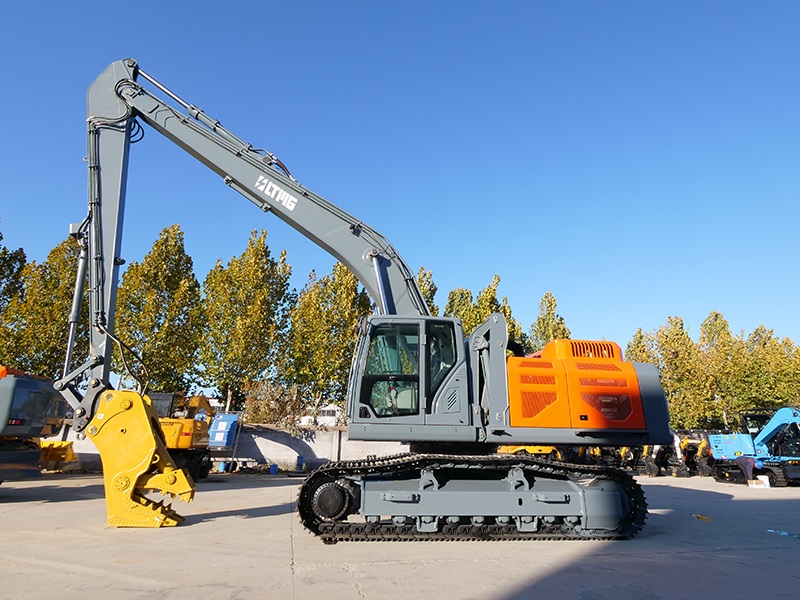
Long Reach vs. Standard Excavators: Which Should You Choose?
Nov 10, 2026
When making a long reach excavator vs standard excavator comparison, start with where the machine can stand and what the bucket needs to do from that position. Choose a standard excavator if it can work close to the cut and the job calls for greater digging force or a larger load per bucket. Consider a long-reach excavator if a riverbank, slope or obstruction keeps the machine back. Check that it can both dig and unload within its working range.
Boom and Arm Configuration
A standard excavator has a boom and arm configured for general excavation. A long-reach excavator, also called a long-arm excavator, typically uses an extended boom and arm so the bucket can work farther from the machine. Even within the same weight class, the counterweight, undercarriage and approved attachments can differ. Compare the exact configurations you are considering.
The farther a loaded bucket extends, the greater the tipping moment it creates. On comparable base machines, a long-reach configuration may require a smaller bucket and provide less digging force than a standard setup. That can affect output when the material changes from soft silt to compacted clay or when you need to maintain a steady truck-loading rate.
Digging depth. Check how deep the long-reach excavator can dig at the required working radius. Maximum digging depth and maximum horizontal reach usually occur at different points on the working-range diagram.
Bucket capacity. Confirm the approved bucket capacity and empty bucket weight for the proposed long-reach configuration. Capacity in cubic metres measures volume. The weight of a full bucket depends on the material. A bucket full of wet sand can weigh considerably more than the same bucket full of loose, dry soil.
Best Applications for Each Excavator
Application
First choice
What to check
Utility trenching and foundation excavation
Standard excavator
If the machine can work close to the cut, digging force and bucket capacity usually matter more than extra reach.
Bulk excavation and truck loading
Standard excavator
Check bucket capacity, dump height and the clearance needed to swing the bucket from the cut to the truck.
Embankment or slope grading
Long-reach excavator
From an assessed working platform, extra reach can cover more of the slope from one position and reduce the need to reposition the machine.
Ditch clearing or river dredging from the bank
Long-reach excavator
Check that the bucket can reach the target bed level from the required setback and unload the sediment at the designated point.
When choosing a long-reach excavator for dredging, check the full cycle from digging to unloading. A machine may reach the sediment and still be a poor fit if each bucket can carry only a small load of wet material or if the bucket cannot clear the side of the receiving truck. Mark both the digging point and the unloading point on the working-range diagram.
long reach excavator standard excavator
Stability, Ground Conditions, and Site Access
Establish where the machine can work before you compare models. A riverbank may be saturated, eroded or undercut at its base. Have a competent person assess the ground’s bearing capacity, the working platform and the required setback from the bank. Extra reach can let the machine stand farther back, and the platform must support it throughout the operation.
Suppose the riverbed is 4 m below track level and the farthest dredging point is 10 m horizontally from the excavator’s centre of rotation at the assessed working position. Even if the published maximum reach and digging depth both exceed those figures, check the working-range diagram for the bucket you plan to use. Can it reach 10 m out and 4 m down at the same time?
Walk the access route and check that the boom, bucket and counterweight have room to swing. Look for overhead obstructions, plan where trucks will stand and allow enough space to keep people clear of the working area.
Setup, Transport, and Maintenance
When requesting a quote, ask for the transport dimensions and weight of the proposed configuration. Depending on the machine and the route, the long-reach front assembly may travel fitted or need to be removed and transported separately. Confirm who will assemble it on site, what lifting equipment they will need and how much space to allow. For a short project, these costs can determine whether buying a long-reach excavator makes sense.
Find out which pins, bushes, hydraulic hoses and cylinders differ from the standard setup and how quickly replacements can be sourced. Follow the maintenance schedule for the fitted front assembly and check whether the boom-to-arm joint needs additional inspections. If the machine regularly works in wet sediment, include cleaning and inspection time when estimating productive hours. For general upkeep, see the excavator maintenance tutorials.
Which Excavator Should You Choose?
Choose a standard excavator if it can cover the full cut from the assessed working position, dig the material and unload it at the designated point. A standard setup is usually the first choice for recurring trenching, foundation work and bulk excavation.
Choose a long-reach excavator if a required setback from the bank or slope edge, or the shape of the slope itself, puts the target beyond the reach of a standard setup. Confirm that the extended front can handle the intended bucket load through the full digging and unloading cycle. For a one-off dredging job, compare the cost of hiring a machine with an operator against the total cost of buying, transporting and assembling one on site.
When comparing LTMG excavator models or asking about a configuration, share a site sketch showing the working platform, the farthest digging point and the unloading location. Include the required digging depth, material type and access restrictions. Ask for the working-range diagram and approved bucket options for the proposed boom and arm, then check the quoted configuration against your site measurements.
FAQ
Does a long-reach excavator always dig deeper than a standard excavator?
No. Digging depth depends on the base machine, boom and arm geometry, bucket and working radius. A larger standard excavator may dig deeper than a smaller long-reach excavator. Compare how deep each configuration can dig at the horizontal distance your job requires.
Can a standard excavator be converted to a long-reach excavator?
Yes, if an approved long-reach kit is available for that base machine. Ask the manufacturer to confirm compatibility with the structure, hydraulics, counterweight and undercarriage. Before committing to the conversion, obtain the revised working-range diagram, the list of approved attachments and any applicable load charts.
Can a long-reach excavator dredge a river from the bank?
Yes, if the sediment is within the machine’s usable working range and the ground can support the excavator at the required setback. Check the bed depth and horizontal reach together, account for the weight of wet sediment and plan where it will be unloaded. Before starting work, check whether local waterway permits are required.