Dalam dunia pertanian modern yang penuh tantangan, traktor pertanian bukan hanya sekadar kendaraan; ia adalah tulang punggung kelancaran operasional Anda. Data industri menunjukkan bahwa hampir 80% kerusakan mekanis merupakan akibat langsung dari perawatan yang tidak memadai atau ditunda.
Ketika traktor pertanian mogok selama musim tanam atau panen puncak, kerugiannya bukan hanya biaya perbaikan—tetapi juga biaya tenaga kerja yang hilang dan waktu musiman yang terlewatkan. Beralih dari pola pikir perbaikan "reaktif" ke kerangka kerja pemeliharaan "proaktif" adalah cara paling efektif untuk menurunkan Total Cost of Ownership (TCO) Anda.
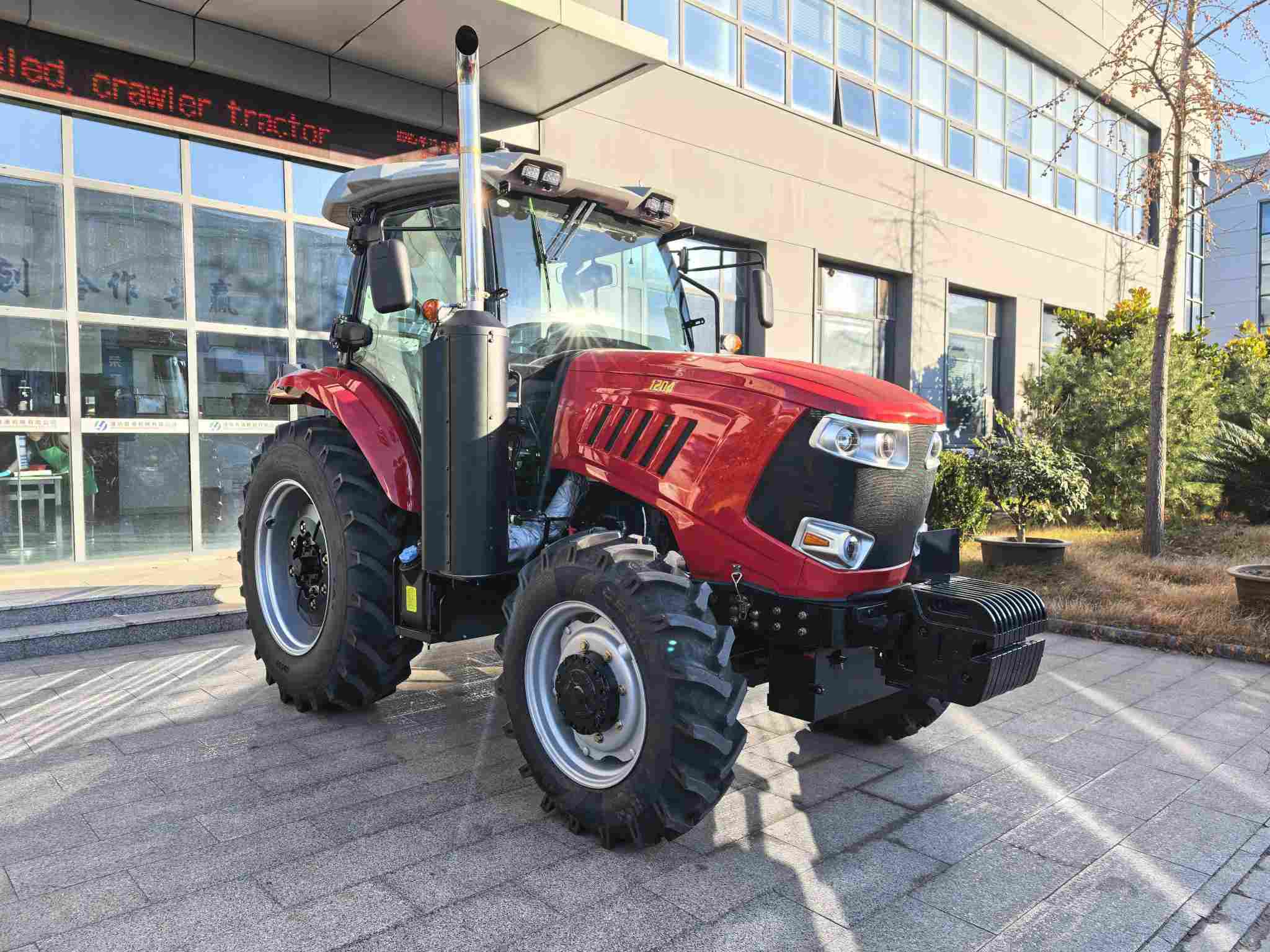
Konsistensi adalah ciri khas operator profesional. Sebelum menghidupkan mesin setiap pagi, pemeriksaan singkat selama lima menit dapat mengidentifikasi kebocoran kecil sebelum menjadi kerusakan mesin yang parah.
Level Oli Mesin & Cairan Pendingin: Pastikan cairan terisi penuh untuk mencegah panas berlebih.
Tekanan dan Kondisi Ban: Tekanan yang tidak tepat menyebabkan pemadatan tanah dan peningkatan konsumsi bahan bakar.
Saluran Hidrolik: Periksa selang yang "bocor" atau residu berminyak di dekat sambungan.
Pengereman & Kemudi: Pastikan respons pengereman dan kemudi berfungsi dengan baik sebelum digunakan di lapangan.
Terminal baterai: Periksa adanya korosi yang dapat menyebabkan kegagalan pengaktifan mesin secara elektrik.
Mematuhi jadwal servis standar sangat penting untuk memvalidasi garansi dan mempertahankan nilai jual kembali yang tinggi.
| Selang | Tugas Utama | Fokus Strategis |
| Setiap 50 Jam | Lumasi semua titik pelumasan; bersihkan filter udara. | Pengurangan gesekan & pernapasan mesin. |
| Setiap 250 Jam | Ganti oli mesin dan filter; periksa saluran bahan bakar. | Menghilangkan kontaminan internal. |
| Setiap 500 Jam | Ganti cairan hidrolik; periksa sabuk transmisi. | Stabilitas penyaluran daya di seluruh sistem. |
| Setiap 1000 Jam | Pembersihan sistem pendingin secara menyeluruh; penyetelan katup.. | Integritas struktural jangka panjang. |
Sistem hidrolik adalah "otot" dari setiap traktor. Kontaminasi adalah penyebab utama kerusakan pompa dan katup hidrolik.
Kebersihan adalah yang Terpenting: Selalu bersihkan sambungan sebelum menghubungkan peralatan untuk mencegah kotoran masuk ke dalam sistem.
Pengelolaan Suhu Tinggi: Dalam kondisi tropis atau musim panas yang ekstrem, pantau viskositas oli hidrolik. Oli yang encer gagal memberikan kekuatan lapisan film yang diperlukan, yang menyebabkan kontak logam-ke-logam di bagian dalam.
A traktor pertanian menghadapi ancaman yang berbeda tergantung pada cuaca.
Musim Dingin/Musim Dingin: Gunakan cairan antibeku berkualitas tinggi dan pertimbangkan untuk menggunakan pengisi daya baterai. Bahan bakar diesel dapat "membeku" dalam suhu dingin ekstrem; pastikan Anda menggunakan bahan bakar atau aditif khusus musim dingin.
Musim Hujan/Musim Monsun: Kelembapan menyebabkan karat pada batang silinder yang terbuka dan oksidasi listrik. Semprotkan cairan anti-korosi pada rangkaian kabel dan simpan mesin di tempat yang terlindung saat tidak digunakan.
Mengabaikan Kebocoran "Kecil": Setetes oli kecil hari ini adalah tanda kerusakan segel yang pada akhirnya akan menyebabkan penurunan tekanan.
Menunda Penggantian Filter: Filter yang tersumbat memaksa mesin bekerja lebih keras, sehingga meningkatkan biaya bahan bakar dan suhu internal.
Menggunakan Bahan Bakar Berkualitas Rendah: Solar yang terkontaminasi menyumbat injektor common rail bertekanan tinggi (HPCR) modern, yang sangat mahal untuk diganti.
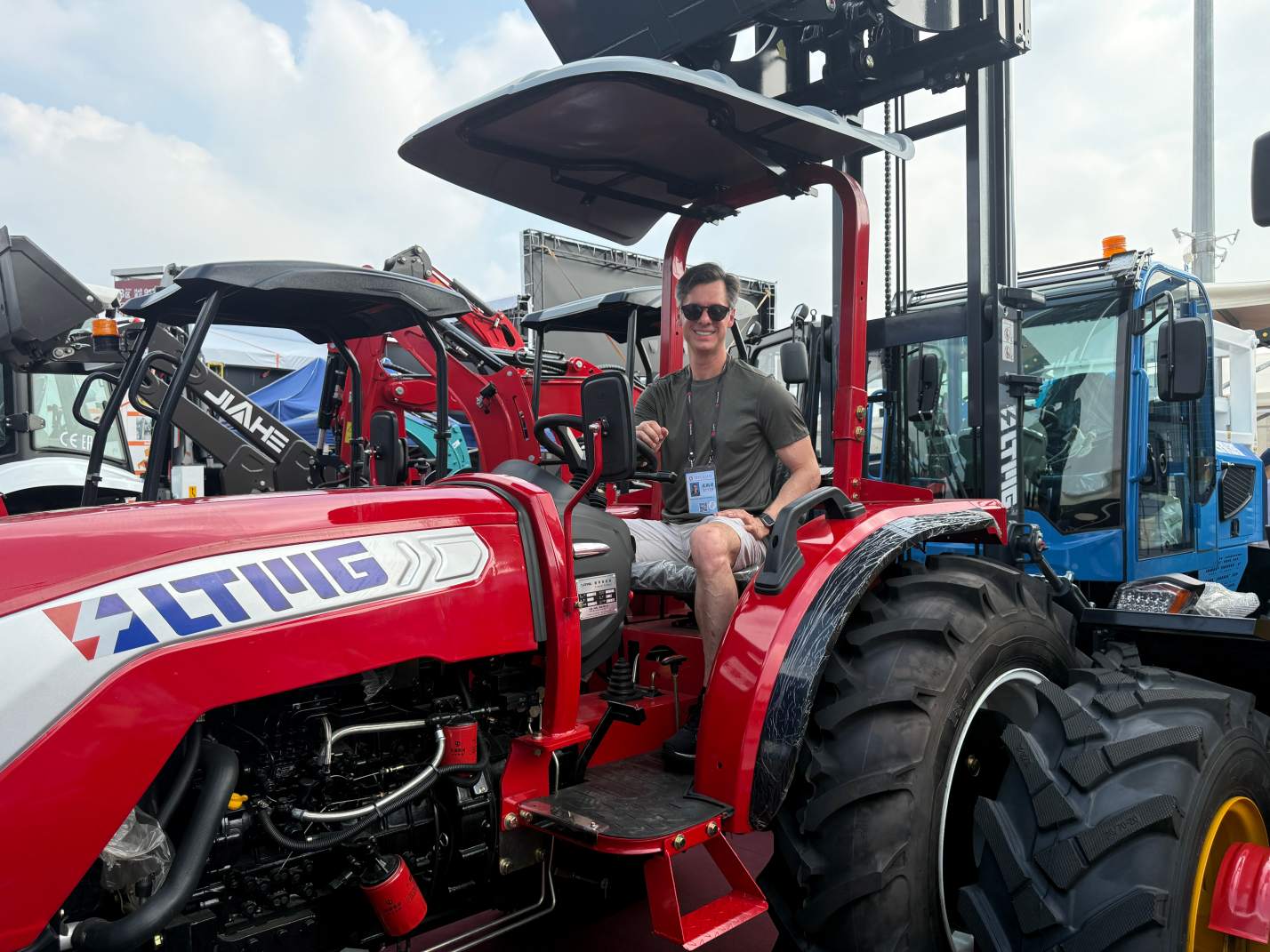
Ketahanan traktor pertanian Anda berbanding lurus dengan kedisiplinan dalam perawatan rutinnya. Dengan mengikuti pendekatan sistematis, Anda memastikan bahwa peralatan Anda tetap menjadi mitra yang andal dalam pertumbuhan pertanian Anda.
Di LTMG, kami percaya bahwa peralatan kelas profesional layak mendapatkan dukungan kelas profesional. Setiap traktor yang kami sediakan didukung oleh manual teknis yang komprehensif dan jaringan suku cadang global untuk memastikan mesin Anda tetap berada di lapangan, tempat seharusnya berada.
Apakah Anda memerlukan jadwal perawatan khusus untuk armada Anda? Hubungi tim dukungan teknis kami hari ini untuk konsultasi atau untuk memesan paket perawatan massal untuk model spesifik Anda.

Telp : +86 195 5920 7570
Surel : market@ltmg.com
ada apa : +86 195 5920 7570
Menambahkan : LTMG Group, Electronics City(Xiamen) International Innovation Center, No.23, Duiying Road, Jimei District, Xiamen, China


Dapatkan Informasi Produk & Informasi Penawaran terbaru



